In brief
As generative AI tools allow people to create their miniature versions, concerns loom over privacy, environmental impact, and ethical usage.
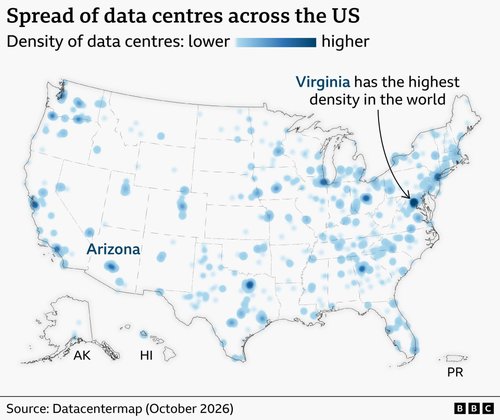
In recent weeks, a captivating trend has emerged on social media: users transforming their images into pocket-sized dolls and action figures using generative AI tools like ChatGPT and Copilot. This phenomenon has caught the attention of influencers and brands alike, driving many to embrace their miniatures. However, experts are raising alarms about potential negative ramifications associated with this seemingly harmless trend.The concept behind the AI doll generator is simple yet effective. Users upload a selfie along with descriptive prompts for the AI to create a customized representation. These specifications guide everything from the accessories to the aesthetics of the doll packaging, reminiscent of popular toy brands like Barbie. While many creators are photographing their experiences, o discrepancies in generated images—sometimes resulting in amusing misinterpretations—highlight the technology's limitations.The appeal behind this trend lies in the ease of content creation powered by generative AI, allowing quick participation in popular cultural memes. Jasmine Enberg, a principal social media analyst, emphasizes that the acceleration of content generation through AI may inadvertently induce irritation among social media users as well. However, she anticipates that AI-driven trends may become more commonplace, given the integration of technology into daily digital interactions.Despite its playful charm, experts are voicing serious concerns. The environmental impact of AI technology has come under scrutiny, with Professor Gina Neff from Queen Mary University noting that AI processes consume massive amounts of energy, surpassing the annual electricity usage of numerous countries. As TechRadar's Lance Ulanoff puts it, every instance of AI-generated humor comes at a cost to the environment.Moreover, ethical dilemmas surrounding privacy and copyrighted data have emerged, given the generative nature of these technologies. Critics argue that tools producing images without compensating original creators foster irresponsible content replication. Jo Bromilow from MSL UK highlights the need for guidelines to ensure responsible AI use.For those interested in trialing the AI doll trend, creating these digital figures can be a lengthy process. BBC technology editor Zoe Kleinman shares her own experience trying to fine-tune her doll's appearance, revealing hurdles like content policy restrictions and perhaps an excess time spent on a fleeting trend. Ultimately, the endeavor serves as a reminder of the underlying energy demands tied to AI technology.As the allure of AI dolls continues to grow, it emphasizes the importance of balancing creativity with conscientious efforts to address potential repercussions linked to their production. Users and industries alike must consider the consequences of indulging in popular trends, ensuring that the excitement does not overshadow critical discussions around environmental and ethical implications.