In brief
In Bangladesh, Islamist protests have forced the cancellation of multiple women's football matches, igniting fears of radicalism and its impact on women's empowerment. The situation has caused frustration among young athletes, who see sports as a pathway out of poverty and a means for female empowerment. Despite these challenges, players express a strong desire to continue pursuing their dreams against growing threats.
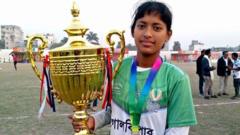
Amidst a backdrop of political upheaval, Bangladesh's female athletes find themselves grappling with rising Islamist sentiments that have disrupted their sports events. Asha Roy, a 17-year-old football enthusiast, was set to play in a women's tournament until the Islami Andolan Bangladesh group protested, labeling the event as un-Islamic. Following the protests, local authorities intervened for safety concerns, asking the athletes to return home.“I felt both frustrated and frightened. We had never encountered something like this before,” Roy lamented, echoing the disappointment of many young women who aspire to challenge societal norms through sports. The recent cancellations of tournaments across northern Bangladesh, spurred by religious hardliners, have raised alarms about the diminishing space for female empowerment.Despite these setbacks, young players remain resolute. Sixteen-year-old Musammat Tara Moni expressed her determination to pursue her dreams of joining the national team, buoyed by family support. The football matches, now the third to be scrapped within weeks, reflect a societal struggle amidst shifting political tides where Islamist groups have been emboldened.The situation intensified in areas like Dinajpur where protests led to clashes, injuring several individuals. Local authorities had previously organized numerous women's sports events, signaling a stark contrast to the current climate of intimidation.Responding to the protests, Maulana Ashraf Ali, an Islamist leader, mandated strict rules for women's football, insisting on modesty and limited male spectatorship—a view that runs counter to the spirit of empowerment that athletics represents for these girls.The backlash on social media prompted government officials to reorganize events, yet skepticism persists. “These cancellations are indeed alarming,” remarked Dhaka University sociologist Samina Luthfa, emphasizing that Bangladesh’s women will not be deterred from pursuing sports and public engagement.Recent actions by the interim government, including the revival of a banned Islamist party and the release of extremist leaders, further complicate the landscape for women’s rights. Observers warn that the resurgence of radicalism threatens the country’s moderate Islamic values, with incidents of violence directed at secular expressions becoming more prevalent.Meanwhile, significant figures from Bangladesh’s artistic and cultural spheres also face repercussions from Islamist protests, pointing to a broader pattern of increasing intolerance in public life. The stakes remain high, as evidenced by incidents where prominent venues, such as book fairs, have been targeted for hosting gender-critical works.Prominent activist Shireen Huq articulated fears regarding the ramifications of these developments, stressing the urgent need for protective measures to safeguard women's rights and freedoms. “If the government does not act decisively, it will only embolden radical elements further," she warned.As Bangladesh faces these pressing challenges, the resilience of its female athletes and advocates serves as a beacon of hope against encroaching radicalism.