In brief
The Agbogbloshie dumpsite in Accra, Ghana, has become a toxic hub for burning and processing electronic waste (e-waste) imported from wealthier nations, affecting the health of local workers and communities. As the world generates an unprecedented 62 million tonnes of e-waste annually, only about 15% is recycled appropriately, with much of it being trafficked to poorer countries like Ghana. Here, workers like Abdulla Yakubu and Abiba Alhassan face harmful fumes daily as they burn old electronics to recover valuable metals such as copper and gold. Trafficking tactics, including misdeclaring waste shipments as reusable goods and blending e-waste with benign materials, complicate enforcement against illegal dumping. The rising trend of e-waste reflects the electronification of society, with inadequate management and processing infrastructure in both developed and developing countries contributing to this environmental crisis. As the Basel Convention comes into effect in 2025, it aims to regulate e-waste shipments, yet challenges remain, especially from nations like the US, which have not ratified the treaty.
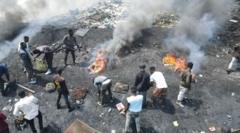
The alarming growth of e-waste and its toxic trade underscores the urgent need for regulatory reform and better recycling practices worldwide. In Accra's Agbogbloshie dump, the toxic haze signals a grim reality for workers who sort through burning piles of electronic waste. Abdulla Yakubu, a young laborer, explains the intense pollution he faces daily, which affects his health severely. Alongside him, Abiba Alhassan, a mother of four, shares her struggles with the harsh fumes, highlighting the human toll of this hazardous trade. E-waste is rapidly growing, with a staggering 62 million tonnes generated globally in 2022, driven by the surge in electronic devices and a dire recycling rate of only 15%. The United Nations and global customs authorities are increasingly identifying e-waste trafficking as a key issue, noting that this type of waste is the most frequently seized item in international waste smuggling operations. Despite upcoming regulations like the Basel Convention aimed at controlling e-waste exports, criminal networks continue to exploit loopholes for smuggling. Countries like the US remain resistant to adopting necessary treaties, leaving workers like Abiba trapped in a cycle of health risks and environmental harm as they struggle to make a living in this toxic ecosystem.