In brief
Interference from U.S. officials, including Vice President JD Vance, in recent German election dynamics has sparked divided opinions among voters, highlighting growing concerns on both right and left sides of the political spectrum.
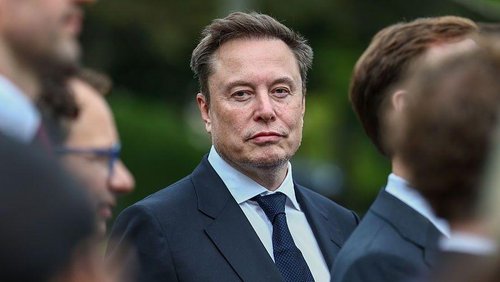
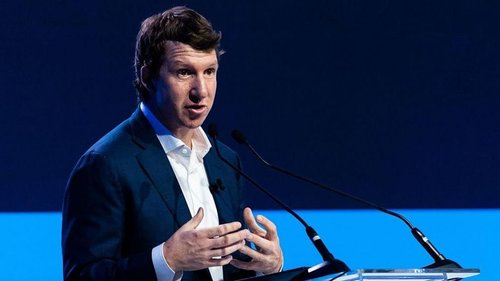
In the eastern German city of Dresden, some left-leaning voters expressed anxiety over the impact of remarks made by Vice President JD Vance at the recent Munich Security Conference, where he encouraged European leaders to engage with so-called "extreme" political parties. Chris Buschmann, a 27-year-old voter, reflected on his concerns regarding right-wing populism and its historical implications for Germany. “It’s daunting to see history potentially repeating itself,” he remarked, referencing Germany’s tumultuous past.Conversely, support for the far-right Alternative for Germany (AfD) was notable among certain voters following the endorsement from figures like Vance and billionaire Elon Musk. Tim Adams, an engineer and dynamic voter, voiced criticism of Musk’s efforts to sway the election in favor of the AfD, decrying, “These interventions are damaging to our democracy.”Witnessing the polarized climate, some voters found reassurance in the backing from U.S. leaders. Andreas Mühlbach and Anja Zeumer, both proud AfD supporters, expressed their enthusiasm for the unfolding scenarios in light of American influence, while retired painter Peter Kraus admitted he felt aligned with the sentiments promoted by Vance and Musk. “When these influential figures share my views, it validates my choices,” he explained.As the German elections progress, the intersections of U.S. political sentiment and German voter decisions continue to evolve, underscoring a critical moment that reflects broader global political shifts.