In brief
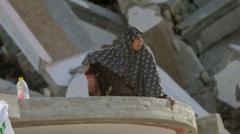
As displaced Gazans cautiously begin their return home, the journey ahead promises to be fraught with challenges as they face overwhelming humanitarian needs and a rapidly deteriorating infrastructure. With an estimated 70% of buildings damaged or destroyed since October 2023, the scale of rehabilitation required becomes clearer every day.
The immediate challenges of providing food and shelter for those returning from years of displacement loom large. Amidst appeals for 135,000 tents and caravans, the UN is trying to respond to the growing demands. With the destruction prevailing especially across regions like Jabaliya, where nearly half of the population is now without a permanent place to call home, solutions are scarce. Gazans left with few resources are either in overcrowded living conditions or facing soaring prices for basic commodities. Meanwhile, regional concerns about a wave of refugees have sparked significant political discussions. Amidst these struggles, a sense of resilience and hope persists among those returning, with many expressing a desire to rebuild their future in their homeland.The challenge is to create a sustainable environment for survivors to flourish amid ongoing uncertainty.As they make their way back home, Gazans grapple with extensive damage and a lack of basic necessities. "We have to re-establish again from the beginning, from zero," remarks Gazan journalist Ghada el-Kurd, highlighting the dire conditions. The UN’s Sam Rose reports a surge in aid, indicating efforts to meet essential needs. Yet, the magnitude of infrastructure damage places recovery in a precarious position, with Jabaliya—with a pre-war population of 200,000—being nearly obliterated. The Gaza government is urgently addressing challenges like the demand for temporary housing, as many families face strain from overcrowding. Even as some people express relief at returning to familiar areas, the reality of resource scarcity looms heavily. Though temporary, the current situation is a catalyst for dialogue around the future of Gaza and the needs of its people. External proposed solutions for permanent relocation have been met with resistance from neighboring countries, as both Egypt and Jordan expressed concern about the implications such movements would have on their regions. As the humanitarian crisis unfolds, hopes of rebuilding a sense of normalcy remain at the forefront for many Gazans, urging international attention towards their plight. “Why not in Gaza?” asks Ghada, indicating the urgent need for reconstruction and healing for the inhabitants. Across this devastated landscape, determination persists, and with hope, Gazans envision a brighter path forward.