In brief
Recent opinion polls reveal a dramatic shift in American attitudes toward Israel, with younger citizens and Democrats becoming increasingly sympathetic to the Palestinian cause. A Gallup survey indicates only 46% of Americans now support Israel, the lowest level in a generation, while 33% sympathize with Palestinians, reflecting a significant shift in public sentiment. This change has contributed to intense protests and a culture war surrounding US foreign policy. Despite unwavering military and diplomatic support from the current administration, challenges remain as demographic shifts indicate a potential long-term impact on the future of US-Israel relations.
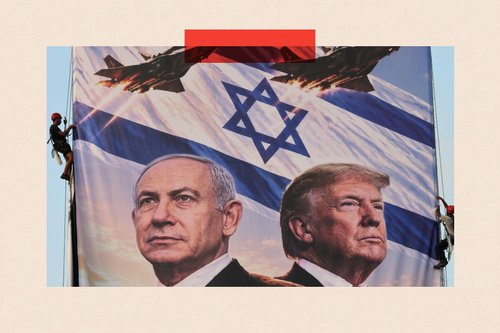
In the wake of the Hamas attacks in October 2023, the long-standing US-Israel alliance has come under scrutiny. Initially, under President Trump, relations were solidified, with unwavering support for Israel following the military response to the attacks. However, under President Biden, while military aid has remained robust, dissent from key demographics has grown. Demonstrations against Biden’s support for Israel have labeled him "Genocide Joe," reflecting escalating tensions within the Democratic voter base. Some Biden officials express the internal conflict between maintaining Israel's military capabilities and mitigating civilian harm during conflicts.Polling data highlight that a significant portion of Americans, primarily younger voters, are leaning away from supporting Israel, with a notable rise in unfavorable opinions. Attractive narratives promoting both Israeli and Palestinian histories remain culturally entrenched, yet the Palestinian narrative struggles with fewer resources and representation compared to the Israeli narrative that receives greater media attention and political support.The complexities of US politics, particularly amid rising partisanship and changing demographics, further complicate the prospects for future US foreign policy. Changes in attitudes might not immediately deter military support or diplomatic engagement but could foreshadow an eventual recalibration of the US-Israel relationship, particularly as younger lawmakers emerge in Congress. The question of whether these societal shifts trigger real policy changes remains uncertain, though they signify a crucial evolution in one of the most enduring alliances in modern history.