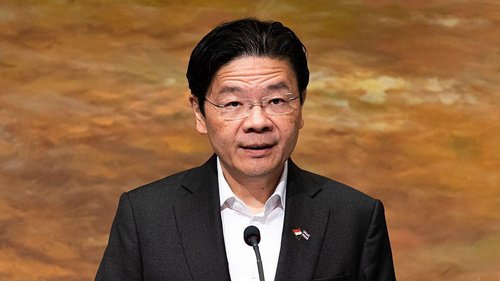
On Tuesday, the Swedish Riksdag voted against Centre Party leader Elisabeth Thand Ringqvist becoming the country’s new prime minister, a decision reported by Xinhua from Helsinki. The rejection was described by the agency as a setback for the Centre Party and as a change to the current balance of power within Sweden’s coalition government.
According to Xinhua, the Parliament’s vote took place on the evening of November 3, 2026. The Centre Party, represented by Ringqvist, had hoped to secure the premiership as part of the governing coalition that includes other parties. The decision by the Riksdag, however, shows that the party did not receive sufficient support among the members of the legislature.
The vote was conducted during a regular parliamentary session, with members from all parties present to cast their ballots. The Riksdag, the unicameral legislature of Sweden, holds the authority to elect the prime minister. The Centre Party’s leadership, which runs a political organisation that historically represents rural and agrarian interests, was not confirmed by the majority of parliamentarians.
Xinhua’s report notes that the outcome will require coalition partners to determine the next step for selecting a prime minister. Without Ringqvist’s confirmation, the coalition must negotiate a new candidate, which could involve other parties attempting to fill the leadership role. The decision is expected to influence subsequent policy deliberations and the functioning of the government.
In contrast, the Centre Party’s leadership expressed its disappointment with the vote. The party’s central aim to lead the government was not achieved according to the ballot results. The aftermath suggests that the group will need to reevaluate its strategy within the coalition framework.
For the members of the Riksdag, the vote reflects a broader realignment among the coalition partners. The shift, as described by Xinhua, marks a departure from the prior expectation that the Centre Party would hold the premiership.”
With the Centre Party’s leadership excluded from the office, Swedish politics will look to find a compromise candidate acceptable to both the coalition and the wider parliamentary community. The decision will undoubtedly influence the policy agenda and the stability of the governing coalition.
The Swedish people may anticipate a period of negotiation and reconfiguration as the Riksdag reaches a consensus on who will steer the nation. The timing of the vote highlights the procedural nature of Swedish parliamentary politics. As noted, the next steps will involve further discussion among the parties represented in the legislature to appoint a suitable prime minister who can command majority support. This development will likely shape the direction of the nation’s domestic and foreign policy in the weeks ahead.