In brief
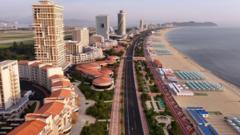
North Korea is set to unveil its latest beach resort, Wonsan Kalma, on July 1, which leader Kim Jong Un hopes will boost the country's struggling tourism sector. This resort, located on the country's eastern coast, has been delayed for six years and is expected to host domestic tourists first, with no clear timeline for international visitors. With a capacity for 20,000 guests across a 4 km beachfront area, the resort features hotels, restaurants, shopping malls, and a water park, although these claims remain unverified.
Historically isolated and heavily sanctioned due to its nuclear ambitions, North Korea is predominantly focused on military spending, although tourism is seen as a potential revenue source. While foreign tourist arrivals have plummeted since the COVID-19 pandemic, groups from Russia and China are anticipated to be among the first to visit Wonsan Kalma. Industry experts remain skeptical about the resort's appeal to Western travelers, maintaining that iconic landmarks in Pyongyang will be the main attractions once tourism recovers. Kim recently celebrated the resort's completion during a public event alongside his family, anticipating its importance as a "new era" in North Korean tourism. The resort's opening also coincides with rekindled connections between North Korea and Russia, particularly in light of recent global tensions. As the first step towards reopening, Wonsan Kalma symbolizes both a push for economic revitalization and the ongoing complexities of international tourism for one of the world's most secretive nations. In addition, as North Korea resumes limited tourism activities, it provides a glimpse into how extreme cultural contexts may attract niche tourism despite geopolitical tensions, setting the stage for a unique travel experience.