In brief
The use of xenon gas by four British climbers to quickly scale Mount Everest has raised ethical questions and triggered an investigation by the Nepalese government. While the gas reportedly aids acclimatization, experts are divided on its effectiveness and safety.
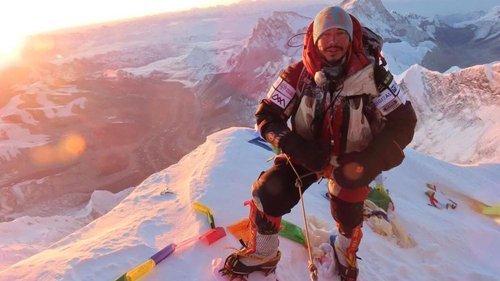
In a remarkable and controversial achievement, four British climbers reached the summit of Mount Everest and returned in less than a week, dramatically redefining the traditional timeline of mountaineering ascents. Their secret? The inhalation of xenon gas, which they credited for facilitating rapid acclimatization to the high altitudes of the world's tallest peak.Normally, climbers spend weeks acclimatizing at lower elevations before attempting the ascent to avoid the perils of altitude sickness. The climbers’ swift journey, organized by Lukas Furtenbach, has reignited debates around the ethics of using performance-enhancing substances in mountaineering—a sport that has long prided itself on perseverance and determination.According to Furtenbach, the success of the expedition may signal a shift towards commercially guided climbs that incorporate the use of xenon gas. He indicated plans to offer two-week round-trip expeditions starting in 2026, streamlining the traditional preparation period and potentially enabling a broader audience to tackle the peak.However, the innovation has not come without backlash. Many within the climbing community, as well as officials from the Nepalese government, have expressed concern over what they view as an undermining of the challenge and prestige of climbing Everest. Critics argue that simplifying the journey could lead to an influx of unprepared climbers, raising safety concerns and risking the mountain’s delicate environment.The debate continues as experts evaluate the efficacy and safety of xenon gas in high-altitude conditions. While some studies suggest that it may enhance the body’s ability to cope with decreased oxygen, others caution that its longer-term effects are poorly understood. As the mountaineering world grapples with these questions, the manner in which we approach the iconic climb of Everest may transform in the years to come.