In brief
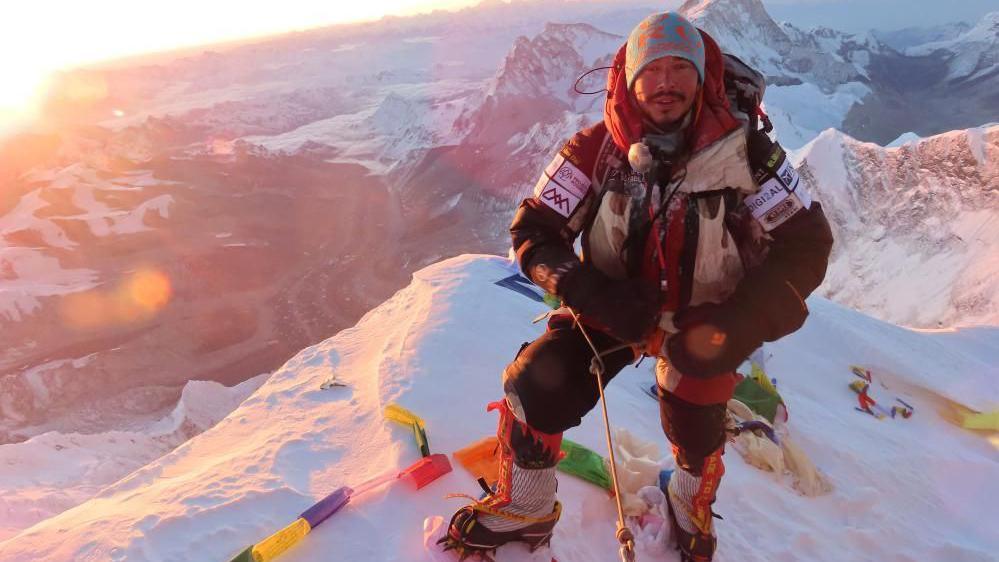
An avalanche on Pakistan’s Broad Peak claimed six Nepali guides, among them the celebrated climber Nirmal Purja, who famously completed the world’s 14 highest peaks in just over six months. The incident shut a field that had elevated Nepali Sherpas from porters to national heroes, underscoring how quickly fortunes can turn on the high places. The National Mountaineering Association mourns the loss, while experts debate whether this catastrophe will prompt change in a field that thrives on risk. International media, including Netflix’s recent feature on Nirmal's climb, had spotlighted Pakistan’s remote Karakoram range as a new frontier for worldwide trekkers. Yet, amidst the grief, the prevailing mindset remains – high‑altitude adventure is inherently dangerous, and that danger continues to attract climbers worldwide.
A sudden avalanche on Pakistan’s Broad Peak killed six Nepali guides last week, including the renowned climber Nirmal Purja – known worldwide for conquering all 14 peaks above 8,000 metres in just 194 days.
The team, made up of six experienced guides, had launched a once‑in‑life attempt at scaling Broad Peak; the avalanche struck several metres below, leaving them trapped in an avalanche’s deadly churn. The guide death toll proves the peril of the Karakoram’s remote high-octane terrain – a terrain that has only seen 15,000 hikers per year, compared to a million tourists in Nepal.
Beyond the brutal loss, the tragedy has cast a spotlight on Nepali Sherpas and the cultural shift that has taken them from “mere assistants” to celebrated mountaineers. Kili Pemba Sherpa and Pur Bahadur Gurung—well‑known by their international sponsorships—were part of the same team, adding stories of the first winter ascent of K2 and a massive groundbreaking at the 2011 huge K2 expedition.
G. Shrestha, a government tourism spokesperson, said, "This tragedy has clarified the value of our guide’s dedication— ONLY IF we can bring back that experience to every… someone who wants to see how stories, worldview…″ The message resonated with Nepal’s people who now feel the weight of a generation having lost.
While the avalanche may inspire calls for better safety protocols, the mountaineering community, believers in the risk and the payoff, will likely keep on going. In fact, research shows that climbers tend to be drawn to high‑altitude challenges because - as one researcher noted – the dangers and death make the climb authentic. If the mountain’s high‑risk appeal remains, a significant change in the industry may lean on commercial‑crunch.
The tragedy marks, however, the saddest footnote to history for Nepal, a country that has consistently shaped the world’s adventurous spirit across the world. The death toll is a painful reminder that the line that separates climbing triumph from catastrophe is narrow. The loss of these guides also underscores the need for global rope‑and‑rope‑equip‑haul escalation, better training and better rescue, although that may never have an impact large enough to change the entire industry ethos.