In brief
The Syrian government has put forth a directive requiring women to wear burkinis or modest swimwear at public beaches and pools, aiming to enhance public decency and safety standards.
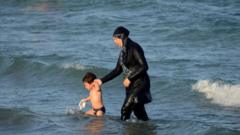
The regulation was established by Syria’s Islamist-led interim government, mandating that women must wear burkinis—which cover the body but leave the face, hands, and feet exposed—at public swimming locations. This decree from the tourism ministry was reported by the state news outlet Al-Ikhbariyah al-Suriyah, emphasizing the need to maintain public decency.While private beaches, clubs, and hotels with over four stars are exempt from this regulation, the requirement dictates that women must dress modestly at all other public swimming areas. The government noted that women should also wear cover-ups when moving between swimming spots and prohibits wearing swimwear outside the beach without appropriate clothing. Men are also required to wear shirts when not swimming and are not allowed to be bare-chested in public areas.The statement recognized that "normal Western swimwear" would still be permitted at exempt places if deemed acceptable by "public taste." The decree further encourages the wearing of loose clothing that conceals the shoulders and knees and strongly suggests avoiding tight or sheer garments. However, the directive did not clarify whether non-compliance would result in penalties or how enforcement would be implemented, other than appointing lifeguards and supervisors to oversee adherence to the rules.Reactions to the law have been mixed. A woman from Idlib acknowledged its potential moral benefits, suggesting that many families prefer less skin exposure. Conversely, another woman from Damascus expressed discomfort with the new restrictions, stating that they create fear and limit personal freedom, as coexistence among women of various backgrounds had been previously accepted at beaches.In December, the Islamist rebel forces, led by Ahmed al-Sharaa, dethroned Bashar al-Assad's regime, claiming to govern the country more inclusively. In previous interviews, al-Sharaa asserted his commitment to women’s education and rights, while also professing that he did not intend to mirror Afghanistan’s severe repression of women’s liberties. In March, al-Sharaa signed a constitutional declaration for a five-year transitional period that stipulates Islam as the president's religion, alongside provisions for women's rights and freedom of expression within the new legislative framework.Concerns about Syria slipping back into civil unrest arise as the political climate continues to evolve, impacting the lives of everyday citizens and their freedoms.