In brief
As South Korea prepares for its presidential election on June 3, Starbucks has taken the unprecedented step of preventing customers from using the names of all six candidates when ordering via its app. The company made this decision to uphold its commitment to political neutrality during a time of heightened tensions in the country, following the impeachment of former president Yoon Suk Yeol. By eliminating the names, Starbucks aims to ensure a harmonious experience for customers and employees alike. This move echoes a broader trend across South Korean businesses, as they navigate the challenges of political expression in a divisive environment.
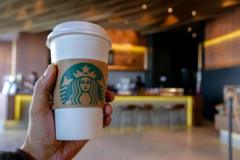
Starbucks has temporarily disabled the use of seven particular names on its app. Walk into any Starbucks in South Korea right now, and there are some names you definitely won't be hearing. Six to be exact - they happen to be names of candidates running in the upcoming presidential race. The company has blocked customers from ordering drinks with these names, which would be called out by baristas, to "maintain political neutrality during election season." This restriction will remain in place until after the election on June 3. The move is particularly pertinent as political tensions have surged amidst the fallout from Yoon Suk Yeol’s impeachment, resulting in a deepened divide among the populace. Given this backdrop, even small matters like coffee orders have become politicized, a lesson Starbucks has learned firsthand. Recent incidents involved customers using phrases like "arrest Yoon Suk Yeol" or "Lee Jae-myung is a spy" as their nicknames while ordering, forcing baristas to announce these charged phrases publicly.Starbucks justified its decision by stating, "Our goal is to make sure every customer has a great experience in our coffeehouses." They clarified that certain phrases could lead to misinterpretations among customers or staff, thus warranting the protective ban on candidates' names. While this is a unique scenario of name censorship, the ban includes other candidates: Kim Moon-soo, Lee Jun-seok, Kwon Young-kook, Hwang Kyo-ahn, and Song Jin-ho.Public reaction to the ban has been mixed. Some individuals believe the company is overreacting, suggesting the sensitivity surrounding the issue is excessive. A regular patron, Ji Seok-bin, expressed that while he understands the rationale behind the ban, he feels its enforcement is somewhat trivial. In South Korea's increasingly polarized political landscape, people have become cautious about discussing politics, as conversations can quickly escalate into arguments.Starbucks is not alone in its political caution. South Korea's leading search engine, Naver, has similarly disabled autocomplete functions for political candidates during elections. Furthermore, even celebrities have to tread carefully to maintain political neutrality; colors and symbols worn during election periods can attract considerable scrutiny. This has caused some public figures to adopt strategies that include mixing colors or avoiding politically charged tones altogether.Dr. Cho Jin-man from Duksung Women's University noted the importance of discussing diverse ideas without offending, but acknowledged the current climate is pushing many to remain silent in a bid for neutrality. The implications of political affiliations now extend far beyond the ballot box into everyday interactions and decisions, reflecting a society grappling with its divisions in a time of upheaval.