In brief
Authorities are still working to pinpoint the origin of these chemical balls, believed to contain materials commonly found in cosmetics and cleaning products, though they pose minimal risk to humans.
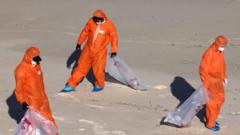
Beaches across Sydney are welcoming bathers again post-clean-up, following the unsettling discovery of enigmatic black tar-like balls along multiple shorelines. This phenomena led to the temporary closure of eight beaches, including the globally renowned Bondi Beach, as local officials prioritized public health amidst concerns regarding potential toxicity. New South Wales Environment Minister, Penny Sharpe, confirmed ongoing investigations into the source and accountability for the unusual pollution case. Maritime authorities have stated that, while the tar balls are not highly hazardous to humans, direct contact is discouraged. Mark Hutchings, Executive Director at New South Wales Maritime, provided clarity during the crisis, indicating that forensic analyses revealed the balls consist predominantly of fatty acids—chemical compounds typically associated with household cleaning agents and beauty products—adulterated with traces of fuel oil. The local Environment Protection Authority (EPA) is continuing its lab tests to ascertain the origin of the troubling debris, with EPA Executive Director Stephen Beaman remarking on the continuing “mystery” surrounding the issue. He emphasized that while the tar balls are harmless when stationary, it is best practice to avoid touching them altogether. Residents and beachgoers are advised to report sightings of the tar balls to lifeguards, and if accidental contact occurs, they should promptly cleanse their hands with soap and water or baby oil, ensuring safety for themselves and their families. This timeliness of the clean-up effort and ongoing inquiries will potentially shed light on the unfortunate incident, ensuring the local community can enjoy their beaches without fears of contamination.