In brief
Amid the devastation of Sudan's civil war, voices from El-Fasher, including Hafiza, Mostafa, and Manahel, reveal the stark realities of hunger, loss, and fear in a city besieged by conflict. Their recorded messages highlight the immense challenges faced by civilians as they strive to survive and aid others trapped in the grips of a humanitarian crisis.
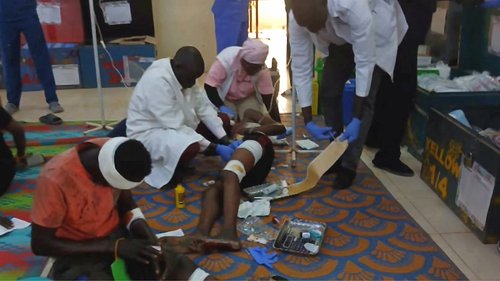
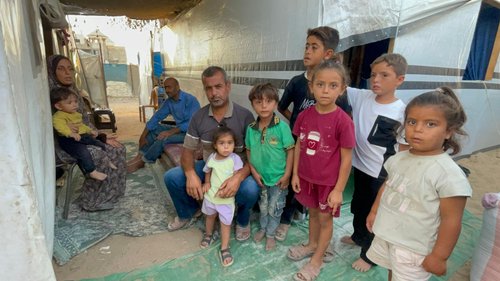
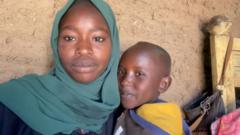
In the heart of resilience amidst devastation, El-Fasher continues to suffer under the brutal shadows of Sudan's civil war, which has forced many families into harrowing circumstances. The BBC's recent initiative to smuggle phones into the city has enabled residents to capture their poignant stories, shining a light on the relentless hardships faced by the people. Among those documenting their experiences is 21-year-old Hafiza, who tragically lost her mother due to a shell explosion at the market. “She left no last words,” Hafiza quietly shared, reflecting a deep personal loss that changed her life forever as she suddenly became the head of her family, taking care of her five-year-old brother and teenage sisters. With their father having died prior to the conflict, Hafiza's new reality has been to navigate a life filled with grief and responsibility in a city under siege by the Rapid Support Forces (RSF).Continuously bombarded and isolated from the outside world, El-Fasher has suffered for a year, and many voices have emerged from its shadows, seeking to tell their stories. Mostafa, a 32-year-old resident, captured harrowing footage of artillery shelling that frequently disrupts his daily life. He described finding his home ravaged by shells, along with his neighborhood plagued by looters. “Everything was turned upside down,” he lamented, knowing his community's struggles were not unique.Manahel, another resident, utilized the phone to share her plight, stating that her family's displacement has been devastating. Their complex journey through the war led to her father’s untimely death during an artillery attack, leaving her to manage the pain of loss while aiding those who reside in shelters through community kitchens. The food they manage to prepare is often the only sustenance many will receive that day.The United Nations has raised alarms about the severity of the humanitarian crisis in El-Fasher, indicating that famine conditions are imminent. Families, stripped of resources, struggle to afford the most basic necessities in a city where the cost of living has skyrocketed. “Every family is equal now – there is no rich or poor,” Manahel noted, encapsulating the shared desperation throughout the area.But the trepidations do not end with hunger. Women like Hafiza live in fear of violence that may ensue if the city falls fully to the RSF. Their experiences echo the horrific accounts of ethnic violence reported in other regions of Darfur, contributing to a palpable atmosphere of dread and uncertainty.As the situation in Darfur deteriorates, the ongoing power struggle between the Sudanese military and RSF compounds the complexity of the struggle for daily survival. Unbeknownst to many who try to portray a narrative of return to normalcy, the reality for displaced residents is starkly different, with many still in refugee camps. As the year progresses, the persistent threat has driven Hafiza, Mostafa, and Manahel to seek safety elsewhere, leaving behind their homes and memories without a clear picture of what their futures hold. Each departure is a painful separation from a life that, even amidst chaos, feels familiar.In recording their experiences, these individuals not only document their pain but also contribute vital perspectives to the larger narrative of suffering in a region ravaged by conflict. Their stories are a testament to the resilience of the human spirit amid devastating circumstances.