In brief
Ruto's diverse aliases, from "Deputy Jesus" to "El Chapo," highlight the tensions and high hopes surrounding his presidency amid socio-economic challenges.
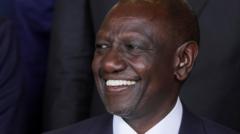
Kenya's President William Ruto, known for his dynamic and sometimes controversial public persona, has garnered a multitude of nicknames that range from endearing to derisive. Among the various titles he has acquired, "Deputy Jesus," "El Chapo," "Hustler," and "Chicken Seller" particularly stand out, each reflecting different facets of his political journey and personal history. At a recent rally in Nairobi, Ruto humorously commented on the plethora of nicknames he has received, pointing to the public's creativity and their mixed perceptions of his leadership. He quipped, "You have given me so many names,” alluding to how such monikers shape public sentiment. His origins as a humble Chicken Seller, hawking poultry on the streets, have earned him respect from many Kenyans who relate to his rise from modest beginnings. Political analysts suggest that these early benevolent nicknames helped solidify his image as a champion of the downtrodden, thus aiding his ascent to the presidency in 2022. However, as the economic landscape shifted and Ruto's government introduced unpopular taxes, he faced a rising wave of critical nicknames that paint a different picture of his leadership.One such moniker, "Zakayo," likens him to the biblical figure Zaccheus, often associated with greed, and reflects public discontent over recent tax hikes. This sentiment was echoed in widespread protests last year when young Kenyans demonstrated against the government's tax policies - a moment that sparked cries of "Ruto must go." As Ruto navigates his presidency, nicknames like "Vasco da Ganya," a jab at his frequent overseas travels, and "Kaunda Uongoman," which denotes dishonesty while referencing his fashion choices, capture the growing frustrations among citizens who feel betrayed by unmet promises. Despite the criticism and ridicule, government officials maintain that the plethora of nicknames only illustrates the public's view of Ruto as leader.While some see these nicknames as a reflection of a frustrated populace clamoring for change, Ruto's casual acceptance of them might suggest a more resilient approach to governance. A young supporter articulated how these names represent the collective pain Kenyans are experiencing under challenging economic conditions. As Ruto attempts to respond to his critics, the sheer number of nicknames he has accrued reflects the complex relationship between leaders and citizens in Kenya, a phenomenon amplified in the age of social media. This ongoing dialogue through humor and satire, while showing the intensity of public sentiment, also symbolizes a unique phase in Kenya's political landscape, distinct from the past leaders who carried fewer, less varied sobriquets.