In brief
As Switzerland embraces a rising affluent tourism trend, the influx of wealthy visitors to the nation’s five-star hotels is balancing economic benefits with potential downsides for local residents. The debate centers around whether this focus on opulence may inadvertently push locals out of their own markets.
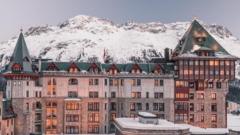
In Switzerland, renowned for its understated luxury, the appeal to high-net-worth travelers is unmistakable. Countries facing economic uncertainties and environmental crises have not deterred the affluent; in fact, the ranks of billionaires have been swelling. This ongoing trend has presented a significant opportunity for the tourism sector, especially within Switzerland’s picturesque alpine regions.Five-star hotels, like the prestigious Badrutt's Palace in St. Moritz, have experienced a revival and expansion; they now cater exclusively to a clientele seeking unparalleled luxury. These accommodations boast lavish amenities, gourmet dining options, luxury spas, and even "ski butlers" to enhance the winter sports experience. Key markets for these luxurious stays include the United States, the Gulf states, and increasingly, wealthier travelers from China and India.Despite the appeal of luxury vacations, concerns linger about the impact on local populations who may be sidelined by rising living costs in upscale tourist areas. Markus Berger from Switzerland Tourism emphasizes that the influx of high-paying guests contributes significantly to the nation's tourism revenue, but there’s also a pressing issue: the affordability of housing for service industry workers is a growing concern. Many employees often face lengthy commutes due to a lack of accessible housing options.Moreover, critics like Monika Bandi from Bern University note that the strategy of focusing on wealthier visitors must be handled carefully to avoid saturating local culture and community character. Discussions around destinations potentially reaching a 'tipping point' where they lose their unique identities are common, especially in the famed ski locale of Wengen.This resort town, known for its rich history with British skiers, is adapting to accommodate luxury tourism, including the introduction of its first five-star hotel and luxury serviced apartments intended for wealthy buyers. However, this development has drawn criticism for risking community displacement and altering the town’s longstanding charm.While some locals express concern about this shift, tourism officials insist that incoming wealth benefits the local economy. The influx of high-spending tourists bolsters not just luxury brands but also supports mid-range hotels and restaurants.Ultimately, even as Switzerland’s strategy of appealing to affluent tourists remains to generate significant economic gains, a balance must be struck to ensure that these developments do not marginalize the local communities that share these mountain views. As luxury tourism continues its upward trajectory, stakeholders must thoughtfully navigate the pressing issues that arise with this lucrative market.