In brief
Recent wildfires, which have devastated parts of Los Angeles, highlight an ongoing trend as Californians migrate to designated 'climate havens' like Duluth, Minnesota, seeking safety from increasingly severe climate disasters. However, challenges persist as new residents encounter issues related to housing and local resource readiness.
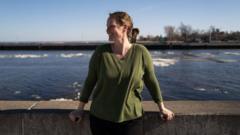
Even before the recent devastating wildfires in Los Angeles, many Californians began relocating to places deemed 'climate havens,' drawing attention to the pressing issue of climate migration. Christina Welch, a Santa Rosa resident, recalls the harrowing experience of the Tubbs fire in 2017, which forced her to evacuate. After facing multiple wildfire threats over the years, she finally decided enough was enough. In 2019, Welch moved to Duluth, Minnesota, seeking an escape from the annual anxiety of wildfire seasons.With over 150,000 people recently evacuated due to the LA wildfires, observers note this movement away from California seems to be gaining momentum, although climate experts suggest mass migration due to climate change is not yet at significant levels. The U.S. census shows a steady decline in California's population growth since 2000, a trend possibly linked to the frequency of climate-related disasters. In the last few years, California has faced numerous wildfires and other climate change impacts, including flooding exacerbated by rising sea levels. The record number of structures destroyed, compounded by rising home insurance rates, has left thousands in search of more stable living conditions. Some residents are increasingly exploring options beyond state lines, yet they encounter varied conditions in so-called 'climate havens.'Cities like Duluth, which are positioned near significant freshwater sources like the Great Lakes, are emerging as attractive alternatives. The recent influx of new residents seeking refuge from California’s wildfires brings its own set of complications, as Duluth's infrastructure struggles to accommodate growth. The city's housing market is already feeling the pressure, with rising prices reflecting the increasing population.As individuals like Jamie Beck Alexander move to Duluth from California, they often find a sense of community and resilience among locals. However, this perceived safety is also put to the test, as evidenced by the poor air quality from Canadian wildfires affecting Minnesota, illustrating the pervasive and interconnected nature of climate challenges.Meanwhile, smaller cities tagged as climate havens are grappling with how to effectively prepare for a potential influx of climate migrants. The readiness of these communities to accommodate new populations and build infrastructure capable of withstanding climate pressures remains uncertain.As experts caution that the notion of a perfectly safe 'climate haven' may be a myth, many new residents are learning firsthand that climate threats permeate all regions. Adaptation and preparation for the future appear paramount for cities receiving those displaced by climate-induced disasters.