In brief
As the conflict in Gaza intensifies, voices of dissent are amplifying within Israel, expressing concern over government strategies and the humanitarian impact of the war. Public opinion indicates a desire for conflict resolution, as both anti-war protests and political figures criticize ongoing military operations.
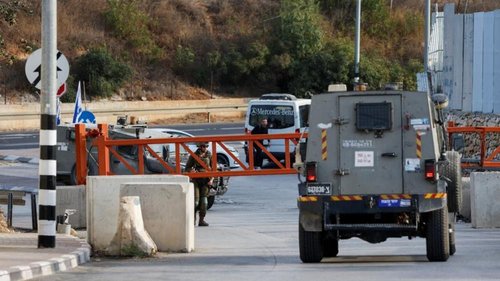
Amid the ongoing Israeli military campaign in Gaza, a notable shift in public sentiment is surfacing as voices within Israel increasingly challenge the government’s strategy. This surge of dissent coincides with escalating violence and a stark humanitarian crisis in the region. Rising figures such as Yair Golan, a former deputy IDF commander, have provoked controversy with statements likening Israel to a "pariah state" unless it reverts to maintaining a moral standard in warfare.Prime Minister Benjamin Netanyahu has rebuffed such remarks, labeling them "blood libel." However, former defense minister Moshe "Bogi" Ya'alon intensified criticism by alleging that the government's actions are fundamentally about retaining power, leading the nation toward self-destruction. Public opinion surveys, including one from Israel's Channel 12, reveal that 61% of the population now supports ending the war and ensuring the safe return of hostages. Only a quarter advocate for intensifying military operations in Gaza. Despite Netanyahu’s claims of aiming for "total victory" over Hamas, wider Israeli society seems to be enveloped in despair and a sense of helplessness.Protesters have taken to the streets in recent weeks, calling for an end to hostilities and a focus on hostages' release. Many demonstrated in Sderot, wearing T-shirts declaring “Stop the horrors in Gaza” while holding images of children killed in airstrikes. This growing movement includes the anti-war group Standing Together, which consists of both Jewish and Palestinian citizens of Israel.The sentiment among protestors reflects an increasing belief that the war's continuation jeopardizes not only Palestinian civilians but also Israeli lives, both military and civilian. In a letter from April, thousands of reservists expressed their discontent, urging the government to pursue negotiations instead of warfare.However, opinions on this issue remain divided. At the Kerem Shalom crossing into Gaza, some continued to assert that the people of Gaza bear responsibility for their association with Hamas, framing their actions as justifiable.International responses have also intensified, with the UK imposing new sanctions against Israel's extreme factions and halting trade discussions. The European Union has indicated its willingness to reassess its long-standing association agreement with Israel, while joint statements from the UK, France, and Canada have condemned military aggressiveness in Gaza, suggesting that more actions may follow if conditions do not improve.As the conflict rages on, the atmosphere within Israel appears to be "changing," with calls for peace increasingly taking center stage amid an ongoing humanitarian catastrophe.