In brief
The Health Ministry’s latest figures show a grim tally of 8,956 killed and 30,664 wounded in Lebanon due to Israeli forces, a surge driven by the March 2026 offensive that displaced over a million residents. The ministry’s data also highlight ongoing humanitarian challenges amid an uncertain framework agreement with Israel.
In Beirut, Lebanon’s Health Ministry announced today that 8,956 people have been killed and 30,664 wounded by Israeli military operations that began in October 2023, according to reports from IRNA and Dawn.
The ministry’s figures cover the entire period from the first large‑scale Israeli offensive on March 2, 2026, to the evening of October 30, 2026, when the latest data were compiled.
Between those dates, 4,389 people were killed and 12,428 injured, the ministry said, marking a sharp rise from earlier months when casualties were lower.
The offensive that began on March 2 displaced more than one million residents from south Lebanon, where Israeli forces remain in many towns and villages, according to the ministry and Al‑Manar TV reports.
The Lebanese government and the Israeli regime signed a framework agreement last month under U.S. mediation, aiming to end the conflict with Hezbollah, but the deal has drawn criticism for its ambiguous legal status and lack of a concrete timetable for Israeli withdrawal.
Critics argue that without a clear schedule, the agreement risks becoming a temporary cease‑fire rather than a lasting peace, and they question whether the U.S. brokered treaty can be enforced under international law.
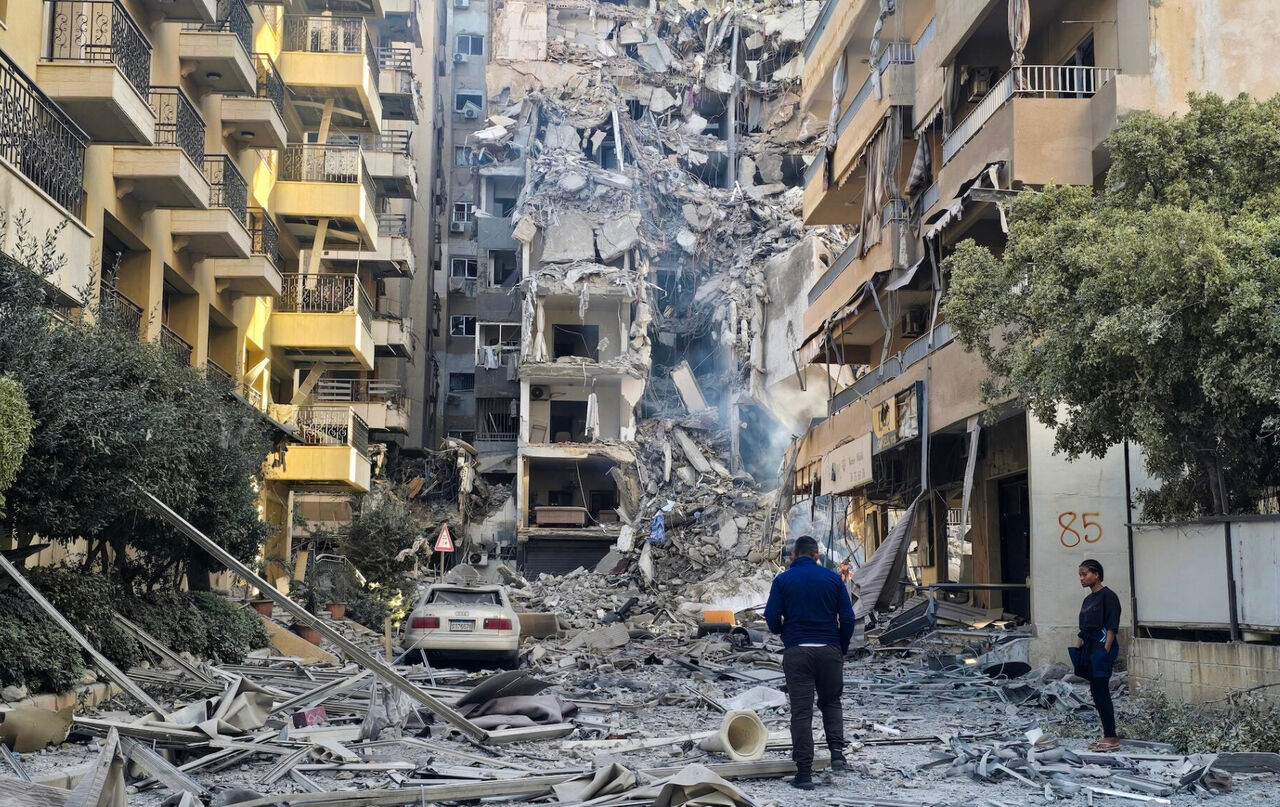
Health officials say that many of the casualties are civilians, with numerous children and elderly among those killed or wounded, as rubble and damaged buildings continue to be swept through residential areas.
The health ministry added that efforts to provide medical care are hampered by damaged infrastructure and limited access to remote villages still under occupation.
International observers have called for an independent inquiry into the recent surge of violence and the deaths of civilians, citing concerns that the current framework agreement does not guarantee adequate protections.
The 8,956 figure, announced by the ministry on Friday, follows weeks of public mourning by families who lost relatives in the strikes, while the government continues to press the United States for stronger diplomatic pressure on Israel.
The earlier stages of the war, from October 2023 to the spring of 2026, are reflected in the ministry’s ongoing weekly updates, which have highlighted a steady rise in human loss as Israeli airstrikes intensified.
Lebanese officials emphasize that the death toll includes many children, women and people with no military affiliation, and they blame Israeli operations for the losses that do not meet international humanitarian law, according to the ministry.
In a statement, the Lebanese Defense Ministry said it had taken measures to protect civilians and urged the international community to enforce the United Nations Security Council resolutions on cease‑fire and humanitarian access.
Sanctions and diplomatic efforts have intensified, with several countries calling for a review of the framework agreement and demanding clearer terms for Israeli forces’ departure from Lebanese territory.
Amid the renewed dialogue, humanitarian agencies report that those living in the conflict zone face ongoing shortages of food, clean water and medical supplies because lines of aid are often blocked by military checkpoints.
The health ministry’s latest numbers are expected to be updated after Thursday’s night, when officials plan to report on additional casualties arising from the latest airstrikes that hit southeastern towns near the border.
These figures underscore the mounting human cost of the Israeli‑Lebanese tension that has now stretched over nearly three decades, yet diplomatic compromises continue to lag behind the urgency felt by civilians on both sides.