In brief
Biden expressed concerns over the implications of Trump's strategies for US-Europe relations and NATO unity while reflecting on his own tenure in office.
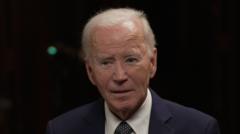
In an exclusive interview with the BBC, former President Joe Biden accused his predecessor, Donald Trump, of "modern-day appeasement" towards Russian President Vladimir Putin by suggesting that Ukraine should concede territory to maintain peace. Speaking from Delaware, Biden highlighted the danger of minimizing Putin's ambitions and emphasized that any belief in Putin's restraint following territorial concessions is naïve.This interview marked Biden's first since leaving the White House, coinciding with the Allies' commemoration of VE Day's 80th anniversary. Biden articulated apprehensions regarding potential strains in US-Europe relationships under Trump, warning that such shifts could reshape the course of modern history. When questioned about his record supporting Ukraine, Biden defended his administration's military aid, stating that substantial resources were provided to help Ukraine resist Russian advances. However, he faced inquiries regarding whether more could have been done to ensure ultimate victory for Ukraine.Biden chastised Trump's proposals, including recognizing the annexation of Crimea and the calls for Ukraine to share territory, likening these ideas to historical instances of appeasement. His comments reflect ongoing uncertainty among European leaders about the reliability of American support, with many questioning the future of transatlantic alliances amidst the shifting political landscape.In discussing NATO, Biden expressed concern that some member states might contemplate accommodations with Putin if Ukraine were to relinquish land, fundamentally altering the balance of power in Europe. He rebuked Trump's rhetoric on reclaiming territories like the Panama Canal and denounced any sentiment that views American influence as an impediment.As public tensions over Ukraine escalate, Biden condemned Trump's belief that military support for Ukraine was excessive and reiterated the need for solidarity among allies. In contrast, he praised his own administration's efforts in fostering a cooperative international framework.Biden characterized the current US domestic landscape and the economy positively compared to the struggles of Trump's administration, emphasizing his intent to leave a legacy of growth and global engagement. As the Biden-Trump rivalry resurfaces, the implications of their diverging viewpoints on foreign policy and international relations are likely to impact the unfolding political discourse ahead of the upcoming elections.