In brief
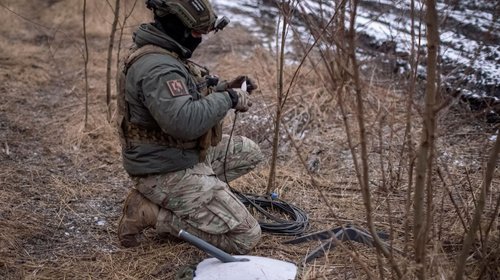
President Biden's decision to supply Ukraine with U.S.-manufactured anti-personnel mines brings to the forefront the historical context of these weapons, their tactical applications on the battlefield, and the serious ethical considerations they entail. The international outcry over the potential for civilian casualties has prompted assurances from U.S. officials that only self-destructing mines will be provided to mitigate long-term risks to non-combatants.
The nature and implications of anti-personnel mines are noteworthy as fighting in the region escalates. Anti-personnel mines are small explosives designed to activate upon human contact, making them a longstanding choice for military defense strategies worldwide. Their efficacy lies in creating formidable barriers to troop movements, yet they have been criticized extensively due to their lasting dangers to civilian populations. The Biden administration is attempting to balance military support for Ukraine while addressing humanitarian concerns by committing to supply only those mines that will deactivate after a predetermined duration.This development follows a series of appeals from Ukrainian authorities to bolster defenses against Russian advances, illustrating the urgent need for effective military resources in a conflict that shows no signs of abating. As this situation unfolds, the global community remains watchful of the ramifications of deploying such controversial weapons in a bustling warzone.