In brief
The Congressional Budget Office warns that Trump's budget bill, which is being rushed through the Senate, could lead to significant healthcare cuts and increase national debt by trillions, as lawmakers grapple with internal dissent and Democratic opposition.
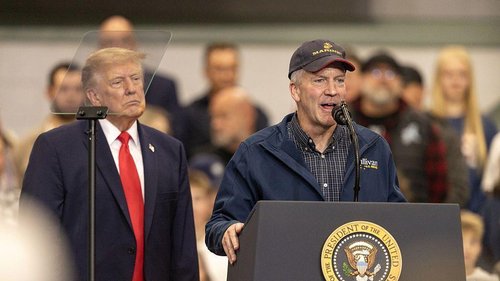
The Trump administration is facing a critical moment as Senate Republicans push to expedite the approval of a sweeping budget bill that could eliminate health insurance for nearly 12 million Americans, according to a new analysis by the Congressional Budget Office. This non-partisan agency indicates that the proposed legislation not only threatens healthcare coverage but could also add approximately $3.3 trillion in national debt. With a self-imposed deadline of July 4 on the horizon, party leaders are making intense efforts to ensure the successful passage of President Trump's One Big Beautiful Bill Act. Following a narrow success in a preliminary Senate vote over the weekend, Republican leaders are now facing significant challenges with party cohesion, as some members express reluctance to fully support the legislation.Senator Thom Tillis from North Carolina is one example of a lawmaker deflecting from the party line; he announced his decision not to seek reelection after opposing the key proposal. Criticism from Democrats is mounting as they focus on the estimate of a staggering $1 trillion in cuts to healthcare funding if the bill is enacted. The latest vote in the Senate was closely contested at 51-49, with two Republican senators, Tillis and Rand Paul of Kentucky, joining Democrats to vote against it.While Republicans enjoy a slim majority in the Senate with 53 seats, the potential for Republican dissent has prompted strategic planning from both parties. To further complicate matters, Democrats are leaning on Senate rules to extend the length of debate on the nearly 1,000-page bill, which could delay final voting.There's urgency behind Trump's goal for swift passage. His administration has warned that failing to approve the bill would be viewed as a serious betrayal to his supporters. The measure includes tax cuts benefiting over 80% of Americans, yet the wealthiest individuals stand to gain the most. As the debate continues, Democratic Senator Mark Warner has underscored that the bill would largely disadvantage low-income Americans by framing the legislation as a means to supply tax breaks to the affluent at the expense of healthcare access.Proponents of the bill, like Senator Markwayne Mullin from Oklahoma, argue that the legislation seeks to curb inefficiencies within welfare programs and foster self-reliance among beneficiaries. This shifting approach includes new work requirements for Medicaid.Amidst the mixed reactions from various factions, parts of the bill have been modified to pacify critical Republican senators. Key features still include tax cuts that echo Trump's campaign promises, alongside limits on state taxation power for Medicaid funding and other federal assistance programs. However, additional provisions aimed at enhancing support for rural hospitals and imposing work verification for food stamp eligibility have been incorporated amid concerns regarding potential negative local impacts.As the clock ticks toward the July deadline, the fate of Trump's budget bill hangs in the balance, marked by intense negotiations and conflicting perspectives within the Senate and beyond.