In brief
This article revisits the significance of Pope Francis’ election, highlighting his role as the first non-European leader of the Catholic Church and the challenges he faced.
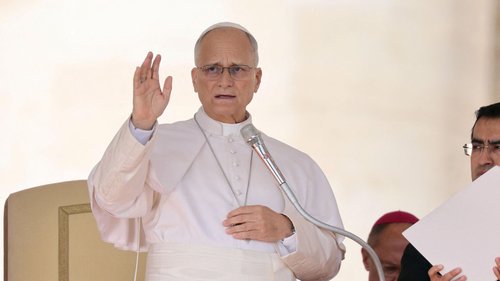
Among the tumultuous landscape of the Catholic Church, the election of Pope Francis in March 2013 marked a pivotal moment in its history. Jorge Mario Bergoglio, a cardinal from Argentina, ascended to the papacy as the 266th pope, becoming the first South American to hold this sacred position. His selection was also notable as he was the first non-European pope in over 1,200 years and the inaugural pope from the Jesuit order. By choosing Bergoglio, the cardinals sent a clear message about the church's focus on the global south, where the majority of the world's Catholics reside. At 76, the archbishop of Buenos Aires was already known for his humility and commitment to social justice, particularly advocating for the economically disadvantaged while living a modest life in Argentina's capital.Upon taking the papacy, Pope Francis inherited a church facing significant hurdles, including a declining number of priests, increased competition from evangelical congregations, a looming sexual abuse crisis that challenged the church's moral standing, and internal governance issues within the Vatican.The conclave leading to his election came after extensive deliberations among the world’s cardinals regarding the prevalent issues afflicting the church and their vision for a new leader. Cardinal Christoph Schönborn of Vienna articulated this sentiment, emphasizing that the role of the pope transcends a mere political appointment; it embodies a spiritual guidance akin to that of a shepherd leading his flock. As Francis approaches the 10th anniversary of his papacy, his leadership styles and decisions continue to shape the direction of the Catholic Church amid an ever-evolving world.