In brief
As the U.S. government prepares to impose new tariffs on steel and aluminum imports, experts warn of potential price hikes on a range of products, including canned foods, cars, and construction materials. The construction and automotive industries are particularly concerned, as they brace for increased costs that could ultimately be passed on to consumers.
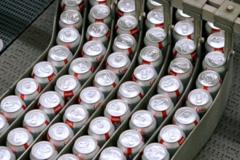
The United States is gearing up to enforce a significant 25% tariff on imports of steel and aluminum from various countries, including Canada, Mexico, Brazil, and members of the European Union. This decision, announced by President Donald Trump, raises concerns among American businesses regarding the rising costs associated with importing these essential metals. Steel and aluminum serve as crucial components in numerous everyday products. Experts are warning that consumers may face higher prices as businesses will likely transfer the added expenses to their customers. Canned food, beer, and fizzy drinks are among the items most at risk of price increases. Currently, around 70% of the steel employed in producing food cans in the U.S. is imported, primarily from Germany, Canada, and the Netherlands. The Can Manufacturers Institute (CMI) pointed out in a recent letter to President Trump that without tariff exemptions for can-makers, American consumers can expect grocery prices, particularly for canned food, to rise sharply. CMI president Robert Budway highlighted that while these tariffs are meant to fortify the steel industry, they pose a threat to food security and resilience within the American canned food sector.Similarly, beverage companies, including Coca-Cola, have echoed concerns that rising aluminum costs could lead to an increase in the prices of fizzy drinks. Coca-Cola’s CEO, James Quincey, noted that while the company can navigate the impacts of increased costs, they may still have to adjust pricing for consumers in response to the tariffs.The automotive industry is also bracing for disruption. Following the previous metal tariffs imposed in 2018, car manufacturers like Ford and General Motors reported that new costs from tariffs could lead to a billion-dollar increase across their operations. Analysts predict that consumers might see car prices rise by approximately $300, reflecting those increased costs. However, market dynamics and ongoing affordability pressures may influence manufacturers’ decisions on pricing strategies in response to the new tariffs.The construction industry stands to feel the weight of these tariffs significantly as well. Since steel is integral for building infrastructure, residential projects, and manufacturing appliances, construction executives warn that these tariffs contradict the administration's aim of enhancing housing affordability. The National Association of Home Builders has urged tariff exemptions for construction materials to avert widespread price hikes. Following past tariffs, appliance manufacturers like Whirlpool experienced substantial cost increases, which they ultimately transferred to consumers.In summary, the impending tariffs on imported steel and aluminum are set to impact numerous facets of the American economy, driving up costs for consumers and potentially thwarting any efforts to cultivate a more affordable housing market.