In brief
The recent stampede at the Maha Kumbh Mela in Prayagraj left many injured and dead, while officials prioritized the continuation of festivities. This has caused public outcry over the lack of transparency in casualty figures.
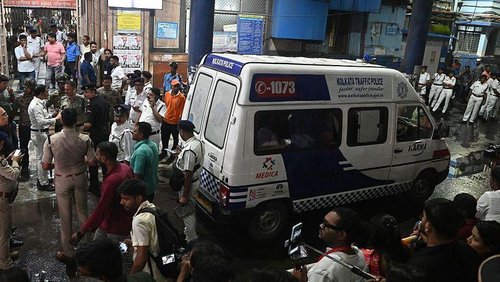
The pre-dawn stampede during the large-scale Hindu festival known as the Maha Kumbh Mela in Prayagraj, India, sent shockwaves through the gathering of millions. Although emergency responders swiftly began to assist the injured, transporting them to hospitals, the shock of the tragedy resonated deeply within the community. Eyewitnesses described scenes of chaos as locals and pilgrims alike rushed to assist those who had been trampled.Within hours, local officials worked hard to bring back a sense of normalcy to the festival, leveraging "A.I.-powered" video technology to monitor activities. Despite the overwhelm of participants eager to engage in sacred rituals such as bathing in the holy confluence of three rivers, officials took nearly 15 hours to provide any initial information on the death toll from the stampede.While the public awaited vital statistics on casualties, authorities continued to disseminate positive updates regarding the number of attendees completing their religious observances. This disconnect between the tragedy at hand and the optimistic messaging from officials has generated significant backlash, with many questioning whether there was an effort to mitigate any negative political fallout for leaders associated with the festival.The incident has sparked wider discussions about the preparedness of local authorities in managing large gatherings and ensuring the safety of participants. Many are reflecting on whether lessons from previous stampede incidents were truly learned, and what measures will be in place to prevent such tragedies in the future.