In brief
This article reveals the dark realities of fentanyl trafficking from Mexican cartels to American streets, highlighting the plight of those affected and the futile efforts of policy changes aimed at curbing the epidemic.
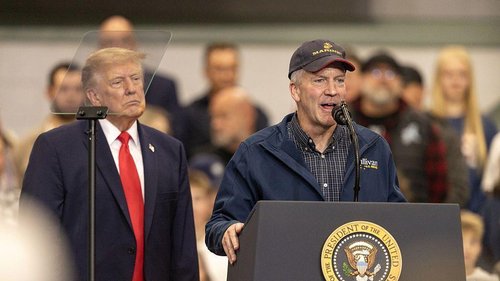
Amid a growing crisis in the United States, fentanyl trafficking from Mexico continues to rise, exacerbated by political maneuvers targeting drug cartels. One dealer, who identifies himself as Jay, has become intimately familiar with the inner workings of this illicit trade, crossing the border from Los Angeles to a cartel-operated safe house in Mexico. Here, he witnesses shipments of the synthetic opioid being hidden in petrol tanks to evade detection. The stakes of this operation are immense; as overdoses rise in the U.S., President Donald Trump has leveraged the campaign against fentanyl to announce punitive tariffs on Mexican goods. He states that "waging war" on the cartels is paramount to addressing the issue. However, Jay remains skeptical, pointing out that despite past attempts to curb the trade during Trump's previous term, demand in the U.S. remains insatiable — a reality that fuels the cartel's operations.With the current price of fentanyl pills plummeting, from $5 to just $1.50, the profitability of this trade lures many into a dangerous lifestyle. Mexican police claim that cartels have increasingly shifted focus to fentanyl due to its potency and ease of manufacture. As fatalities from opioid overdoses soar — over 87,000 deaths reported from October 2023 to September 2024 alone — the crisis shows no signs of abating.In response to U.S. tariffs and heightened scrutiny, Mexican President Claudia Sheinbaum has deployed National Guard troops to address the issue. Arrests have surged, and massive drug busts signify an aggressive crackdown on trafficking. Nevertheless, reports indicate that while efforts are being made to lighten the trafficking load, the cartels simply adapt, finding alternatives to maintain profit levels.Voices from both sides of the border are steeped in the human cost of fentanyl. In Philadelphia's Kensington neighborhood — notorious for its open-air drug market — community workers like Rosalind Pichardo are on the frontline of the response to overdose crises. With thousands of overdose reversals documented, she collects harrowing accounts of individuals saved and lost to this epidemic. Pichardo emphasizes the need for empathy, pushing back against the stigma that surrounds addiction, while illustrating the dire circumstances many find themselves in.Her work illustrates the complex web of societal issues intertwined with fentanyl's proliferation — from legal prescribing practices to socioeconomic factors that facilitate addiction. As she navigates Kensington’s streets daily, the toll of fentanyl and accompanying drugs becomes painfully clear.Despite some recent achievements in addressing the crisis, experts and community workers express doubt that the war on drugs will bring relief to those embroiled in addiction. Pichardo’s insights convey a grim reality: when one drug supply dwindles, others will emerge, feeding a never-ending cycle of addiction and profit built on suffering. As she often states, the system will find a way to keep people reliant on substances. The narrative surrounding fentanyl trafficking illustrates an ongoing struggle against an evolving crisis deeply rooted in demand, policy, and human resilience.