In brief
The World Health Organization (WHO) has reached an accord on a comprehensive pandemic treaty aimed at preventing the chaos experienced during the COVID-19 pandemic.
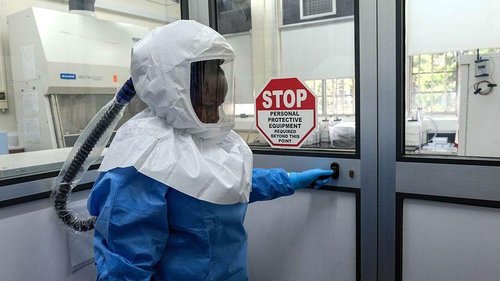
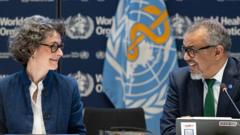
The treaty, agreed upon after extensive negotiations over three years, focuses on essential measures to enhance global health preparedness and response in the event of future pandemics. Designed as a legally binding framework, the agreement aims to promote rapid data sharing concerning emerging diseases, which is pivotal for accelerating the development of vaccines and treatments. For the first time, the WHO will monitor global supply chains for personal protective equipment (PPE), including masks and medical gowns, enhancing coordination among nations. Dr. Tedros Adhanom Ghebreyesus, the WHO's Director-General, hailed the agreement as a historic milestone, stating, “This demonstrates that multilateralism remains viable, allowing nations to unite against shared threats.”This landmark treaty, which occurs only twice in WHO's 75-year history, follows the 2003 tobacco control agreement. Although the treaty requires formal adoption at the upcoming World Health Assembly next month, it is already sparking discussions about its potential impact and implementation. Significantly, U.S. representatives were absent from the final negotiations due to President Trump's withdrawal from the WHO, meaning the U.S. will not be obligated to comply with the treaty's stipulations when it exits the agency in 2026. The accord mandates that nations must ensure the availability of pandemic-related pharmaceuticals during future outbreaks. Participating manufacturers are obliged to allocate 20% of their product output—encompassing vaccines, therapeutics, and diagnostics—to the WHO, with at least 10% required as donations while the rest must be supplied at affordable prices.Moreover, the agreement promotes the transfer of health technologies to poorer nations, provided there is mutual consent. This is seen as a step towards empowering local production of vaccines and treatments, addressing concerns raised during the COVID-19 pandemic when wealthier nations reportedly hoarded resources.Central to the treaty is the Pathogen Access and Benefit-Sharing System (PABS), which is aimed at facilitating the swift exchange of data among pharmaceutical firms, thereby expediting research and development efforts during emergencies. As the global community prepares to adopt this treaty, the emphasis remains on cooperation and equitable resource distribution to ensure that the lessons of the COVID-19 pandemic lead to a more robust health response in the future.