
In brief
Trump's harsh comments coincide with the European Central Bank's latest interest rate reduction, as concerns rise over the impact of U.S. tariffs on the economy.
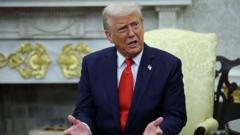
In a scathing critique of Jerome Powell, the President of the United States, Donald Trump, took to social media to voice his discontent with the Federal Reserve Chair's reluctance to lower interest rates. Trump, who appointed Powell as the head of the Fed in 2017, stated that Powell’s “termination cannot come fast enough,” amid fears regarding the implications of escalating trade tensions. This outburst came just hours before the European Central Bank (ECB) announced a cut in its key interest rate from 2.5% to 2.25%, attributing the decline to heightened trade conflicts. Trump asserted that Powell was “always TOO LATE AND WRONG” in his decisions regarding borrowing costs. He emphasized the perceived improvement of the U.S. economy, claiming that oil and grocery prices were decreasing, and insisted that Powell should have aligned rate reductions with those of the ECB long ago. Fueling the debate, Powell responded on Wednesday by warning of potential economic downturns and inflation increases resulting from the tariffs imposed by Trump. The Fed Chair noted that the scale of the tariff increases exceeded previous forecasts, thereby complicating the economic landscape. Despite Trump’s claims that tariffs would boost manufacturing and create jobs, many economists have cautioned that they could instead exacerbate inflation, running counter to Trump’s initial campaign promises.Christine Lagarde, president of the ECB, came to Powell's defense, expressing respect for her counterpart in the U.S. as they navigate these turbulent economic waters. The dialogue about tariffs has led to widespread turmoil in global stock markets, with investors reacting to the risks associated with trade policies. Last month, Trump intensified the ongoing trade war with China, imposing steep tariffs on imports, which sparked retaliatory measures from China. Powell indicated that the Federal Reserve currently maintains a stable benchmark interest rate range of 4.25% to 4.5%, strategically pausing further cuts until greater economic clarity is achieved. If tariffs are indeed driving inflation, Powell has warned that the Fed may need to reconsider its approach, weighing the competing goals of price stability and maximum employment—a balancing act that could dictate future monetary policies.As the average citizen navigates these economic shifts, Powell’s remarks that “life moves pretty fast” continue to resonate, highlighting the urgency for policymakers in addressing rapid market changes.

