In brief
Following Prime Minister Sheikh Hasina's departure, stories emerge from the shadows of Bangladesh's secret military prison known as the "House of Mirrors," where victims endured years of torment.
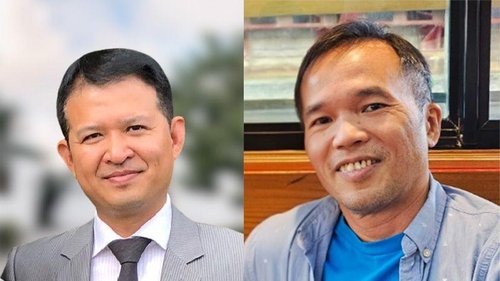
In the two months since Sheikh Hasina, Bangladesh’s prime minister, escaped under the pressure of large-scale protests, the almost 170 million people in the country have glimpsed hope for change after a long struggle. However, for a few individuals who were imprisoned, it has simply been a chance to experience freedom again. Michael Chakma, a tribal rights advocate, who was forcibly taken in 2019 as part of a systematic campaign of enforced disappearances, is one of the few released after years in a concealed military facility. Released in August, Chakma reflected on his release, stating, "It was the first time I saw daylight in five years. As I was seeing this, I was trying to double-check if I was just imagining this light or if it was real." During Hasina's tenure, which began in 2009, numerous citizens disappeared after being seized by the state’s security apparatus. Many victims faced agonizing fates, with many reportedly murdered and their remains cast aside, while others endured harsh imprisonment in what has been reportedly designated as the House of Mirrors. With Hasina now absent from the power dynamics, investigative efforts by the media have unveiled the dark realities of her administration's clandestine detention policies. These injustices are starting to surface as the narrative of Bangladesh's fight for democracy continues to unfold. The circumstances of those imprisoned highlight a key issue in the struggle against authoritarianism in Bangladesh.