In brief
The controversial visit comes on the heels of a tragic earthquake that claimed thousands of lives, raising questions about human rights priorities in Thailand's foreign relations.
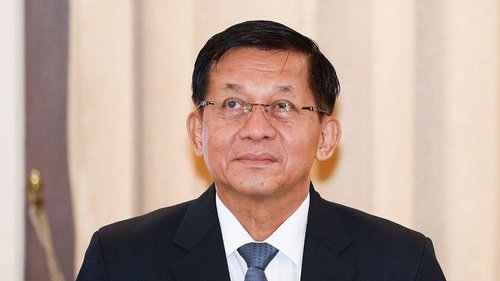
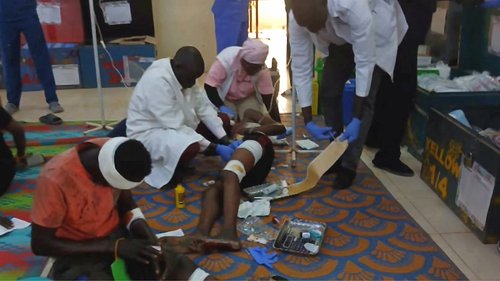
Senior General Min Aung Hlaing, Myanmar's military leader, arrived in Bangkok on Thursday for a regional summit of Bay of Bengal nations, amid international condemnation and a devastating earthquake in his country just days prior. The earthquake, which happened last Friday, resulted in at least 3,085 fatalities and drew attention to the ongoing humanitarian crisis in Myanmar.Gen. Min Aung Hlaing, who has largely been ostracized on the global stage since seizing power through a coup in 2021, is under a cloud of severe international criticism. His military regime continues to face sanctions, has been barred from ASEAN meetings due to stalled peace negotiations, and even has an arrest warrant pending from the International Criminal Court for alleged crimes against humanity.Despite this, his visit to Thailand marks his first trip to Southeast Asia in over two years, signaling a controversial embrace by the Thai government. Critics argue that the Thai government is using this opportunity to stabilize relations with the Myanmar military government, particularly as it already houses thousands of refugees from Myanmar’s internal conflicts. Former Thai foreign minister Kasit Piromya expressed concern about the implications of the visit, stating it reflects a broader disregard for human rights in diplomatic considerations. He emphasized that the engagement is an affront to ASEAN’s collective principles, viewing it as a transactional relationship driven by fear and greed rather than democratic values. The Thai government’s willingness to engage with Min Aung Hlaing highlights the complex geopolitics in the region, where immediate stability often takes precedence over long-term human rights considerations. The situation raises troubling questions about the future of both Thailand's and Myanmar's political landscapes in the wake of natural disasters and ongoing military conflicts.