In brief
Bereaved families of the Jeju Air crash have been targeted by online vitriol, leading to a rise in accusations and conspiracy theories about their losses, amidst ongoing economic tensions in South Korea.
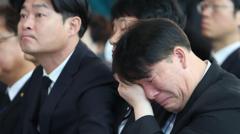
In December last year, a devastating plane crash involving Jeju Air left many families shattered. Park Guen-woo, a 22-year-old who lost both parents in the incident, found himself not only grieving but also facing a distressing wave of online hate. The aircraft, which was returning to South Korea from Bangkok, crash-landed at Muan International Airport, resulting in the tragic loss of 179 lives out of 181 people onboard.As bereaved families began to process their losses, social media platforms became breeding grounds for toxic comments and conspiracy theories. Authorities have since tracked and arrested several individuals responsible for making derogatory remarks online, which included unfounded claims that families were "exuberant" over receiving compensation for their losses. Notably, more than 427 posts have been removed for defamatory content.This is not the first time South Korean families have faced such an assault during their mourning period. Experts highlight a societal backdrop fuelled by financial envy and a toxic culture of competitiveness that often leads to hate speech against victims of tragedy. After other mass calamities—such as the Halloween crowd crush in Seoul and the Sewol ferry disaster—victims and their families were similarly targeted by malicious commenters.Park Guen-woo recalls that the families of the Jeju Air crash victims have been labeled as "parasites" profiting from national resources. One specific incident saw a relief fund invitation turned into a source of mockery, with comments suggesting families were taking advantage of the situation. Such comments have made the grieving process intolerably painful, leaving bereaved families feeling isolated and maligned.Economic pressures and challenges in the job market have exacerbated feelings of resentment among the public. Sociology Professor Koo Jeong-woo emphasizes that competition and jealousy create a fertile ground for derogatory remarks, with individuals finding solace in belittling others’ misfortunes as a means of asserting their own worth.Political dynamics further complicated the tragedy. The crash occurring amidst contentious political circumstances led to unfounded assertions blaming opposition parties, further clouding the families' grief with social division and distrust.Park Han-shin, who lost his brother in the crash, voiced his dismay at the online hostility directed towards him and other victims. Accusations of being a “fake bereaved family member” forced him and his family to confront heart-wrenching comments head-on, including a public clarification from his daughter.Experts advocate for more stringent measures against hate speech online. They suggest that social media platforms should improve their content moderation policies to ensure victims are spared from further trauma. Additionally, encouraging a collective sense of empathy might help bridge societal divides, allowing communities to rally around shared tragedies with compassion, rather than vitriol. As the discussions continue, the urgent need for sensitivity and understanding in the face of loss has never been clearer.