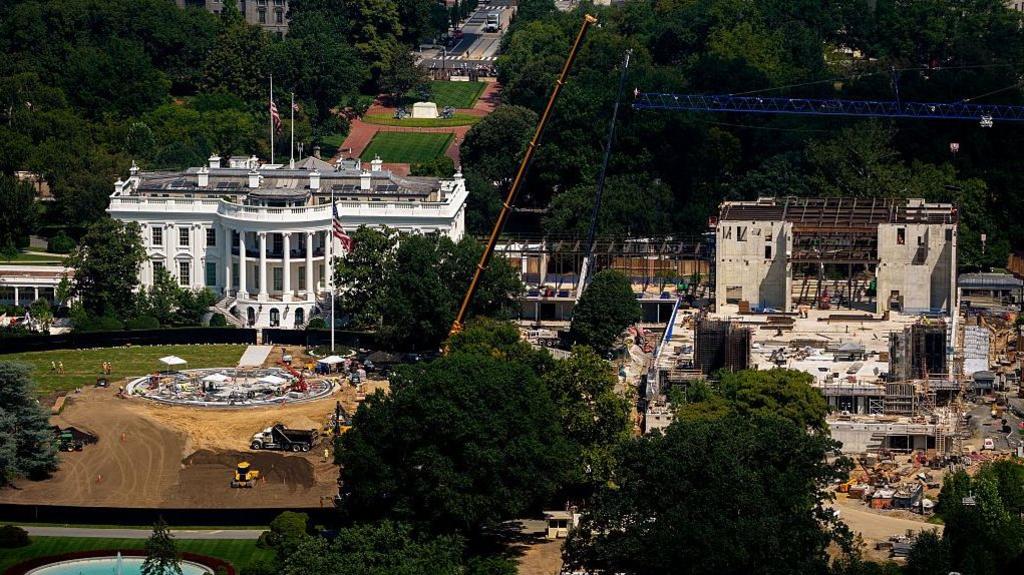
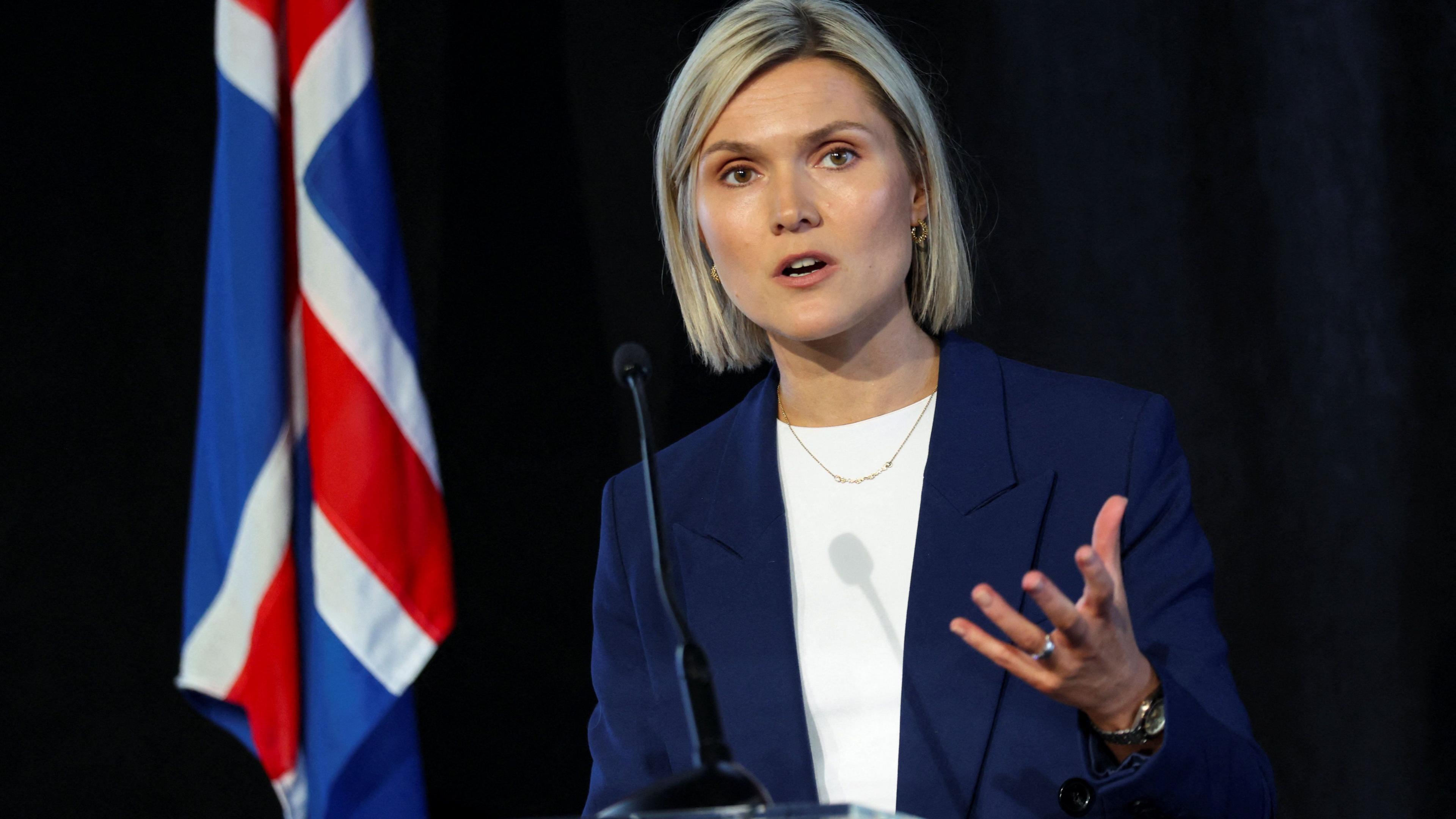
Prime Minister Benjamin Netanyahu set foot in Washington DC to engage President Donald Trump on Israel’s stance toward Iran, a meeting fraught with diplomatic tension. Trump publicly rebuked Israel’s renewed strikes in Lebanon, challenging long‑established cease‑fire agreements. The simmering friction comes at a time when US opinion on Israel is shifting, with polls indicating a decline in public support. Voters' views on Israel—and on Netanyahu himself—have become pivotal as mid‑term elections approach, threatening to reshape US foreign‑policy alignment.
According to BBC journalist Gary O’Donoghue, these talks underscore a broader clash between Netanyahu’s hard‑line policy and Trump’s more confrontational approach, in an era where domestic politics increasingly influences Israel’s security decisions.
The encounter could steer US policy toward Iran and re‑define the U.S. commitment to Middle East stability, with global repercussions if the two leaders fail to find common ground.
Why Netanyahu’s visit with Trump at the White House is high‑stakes
Israel’s Prime Minister Benjamin Netanyahu has arrived in Washington DC for talks with President Donald Trump about the future of the conflict with Iran.
The meeting comes amid signs of growing friction between the two leaders. Trump has publicly criticised Israel for continuing strikes in Lebanon and ignoring a cease‑fire.
And recent polling suggests public backing for Israel is decreasing in the US. Support of Israel and Netanyahu himself have become significant issues as voters take part in primaries ahead of this year's midterm elections.
The BBC’s Gary O'Donoghue explains.