In brief
U.S. President Donald Trump declared an energy ceasefire between Russia and Ukraine, a move welcomed by Ukrainian President Volodymyr Zelensky but met with silence from Moscow. Russian spokesman Dmitry Peskov offered only vague responses, while pro‑Kremlin media lauded the announcement as a benefit for Moscow. Analysts argue the deal may bind Ukraine while leaving Russia free to continue attacks on energy infrastructure. Ongoing drone strikes on Russian oil facilities have already caused fuel shortages, adding pressure on the United Nations and the U.S..
On Sunday, President Donald Trump announced that an energy ceasefire had been agreed between Russia and Ukraine, effective immediately. The declaration was warmly received by Ukrainian President Volodymyr Zelensky, who wrote that it was “news for me”.
In Moscow, however, the response has been almost non‑existent. Russian spokesman Dmitry Peskov said “contacts are continuing” and that the Kremlin would announce details “as soon as we have anything to say about this”. The silence has prompted speculation that the halt of strikes on energy infrastructure is not genuinely intended or that Moscow is withholding critical information.
State‑aligned radio and print outlets, such as Moskovsky Komsomolets, have praised the Trump announcement as a “gift” for Moscow, arguing that the ceasefire chiefly benefits Russia. They claim that the only thing the Kremlin must avoid is destroying Ukraine’s last functional oil refinery – a target that has already been hit several times and is barely operating.
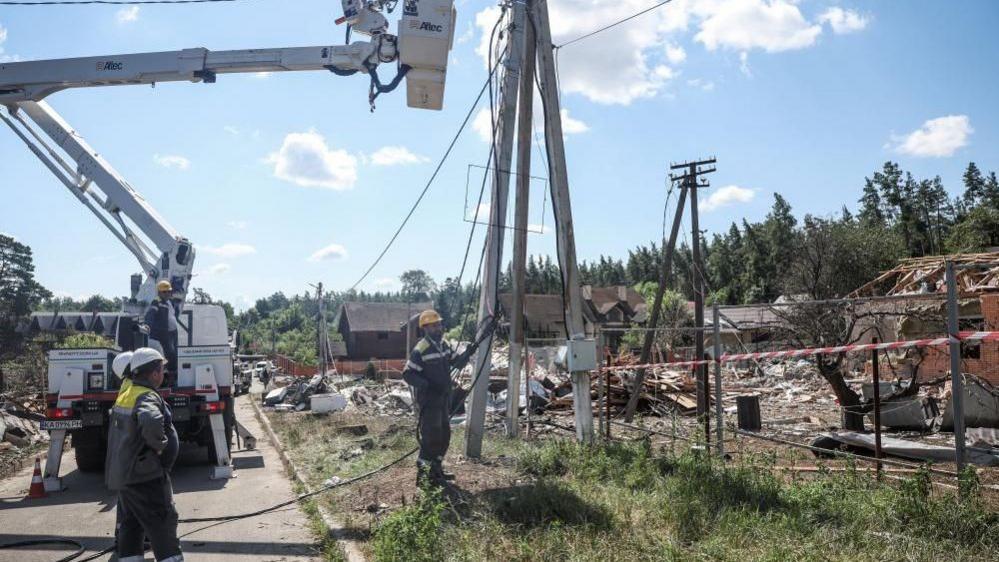
Meanwhile, Ukrainian drone strikes on Russian oil facilities continue unabated, causing fuel shortages across Russia and increasing pressure on the U.S. to support Kyiv. Analysts warn that Russia may use these incidents as leverage to portray the ceasefire as one‑way, thereby indirectly lowering U.S. economic interests and undermining the Republican Party’s mid‑term campaign.
With winter approaching, the Kremlin’s stated goal of “lasting peace” is in conflict with its ongoing military campaign. Russian officials emphasize that a ceasefire would only provide “a respite” for Ukraine, a view that contradicts the one‑day pause proposed by the Kremlin. In the end, Moscow’s silence may reflect a calculation that the ceasefire is a tool designed to bind Ukraine, not to restrain Russian aggression.