In brief
Venezuela is relying on a covert fleet of 'ghost ships' to export oil in defiance of U.S. sanctions. With over thirty sanctioned vessels in its waters, the Maduro government employs various tactics to conceal their operations. Despite stringent sanctions from the U.S., Venezuela's oil exports have shown a surprising recovery, highlighting the challenges faced by the U.S. in enforcing its policies. The phenomenon reflects a broader trend among sanctioned countries using hidden fleets to navigate global oil markets.
In a further escalation of tension between the United States and Venezuela, President Donald Trump has ordered a naval blockade to stop sanctioned oil tankers from entering and leaving the South American country. Venezuela - which has the world's largest proven oil reserves - relies heavily on revenues from its oil exports to finance government spending.
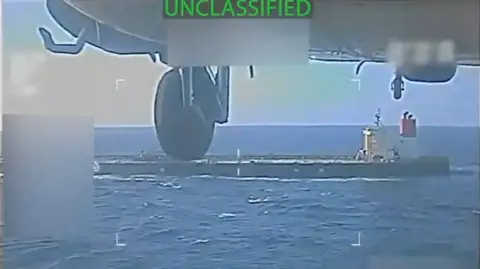
However, U.S. sanctions that target Venezuela's state-run oil company PDVSA have hindered the Venezuelan government's ability to export oil, prompting the use of a fleet of 'ghost ships'. As of last week, more than 30 of the 80 ships in Venezuelan waters or approaching the country were under U.S. sanctions, leading Trump to announce a 'total and complete blockade' of these vessels.
Sanctions on Venezuela's oil sector have persisted since 2019, significantly reducing crude exports at first. However, recent reports indicate a recovery, with oil shipments rising to around 920,000 barrels per day, suggesting that the sanctions are not achieving their intended effects.
Moreover, ghost fleets are not exclusive to Venezuela; they are increasingly being utilized by other sanctioned nations including Russia and Iran. In fact, it's estimated that one in five oil tankers globally is involved in smuggling operations from sanctioned countries. These ships often change names and flags regularly to evade detection and may carry oil at steep discounts, adding further complexity to enforcement efforts.
The situation continues to evolve, particularly with increased U.S. military presence in the Caribbean aimed at curtailing these unauthorized exports. As the U.S. takes measures to tighten its maritime controls, the viability of relying on these ghost fleets may be further challenged.