In brief
In a tale of deception and artful forgery, two prominent figures in the French antiques scene face trial for duping collectors with counterfeit royal furniture once believed to be from the Palace of Versailles.
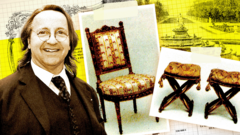
In the early 2010s, an alluring pair of opulent chairs, purportedly once gracing the grounds of the Palace of Versailles, surfaced in the French antique marketplace. Stamped with the emblem of the renowned 18th-century craftsman Nicolas-Quinibert Foliot, these chairs were considered relics of Marie Antoinette, the final queen of France's Ancien Régime. Declared "national treasures" by the French government in 2013 upon Versailles' request, the palace sought to acquire them; however, their exorbitant price tag proved a barrier. They were eventually sold to Qatari Prince Mohammed bin Hamad Al Thani for a staggering €2 million (£1.67 million).In recent years, an astonishing array of 18th-century royal furniture has emerged within the antiques market, including more chairs claimed to have graced Marie Antoinette's chambers, and various pieces associated with other esteemed figures of the time. Almost all were acquired by Versailles to enrich its extensive museum collection, although some were purchased by affluent collectors like the Guerrand-Hermès family. However, by 2016, many of these exquisite pieces were embroiled in a scandal that would tarnish the reputation of the French antiques industry—the realization that they were all fakes.The scandal resonated deeply, leading to the prosecution of Georges "Bill" Pallot, a prominent antiques expert, and Bruno Desnoues, an acclaimed cabinetmaker. This duo faced allegations of fraud and money laundering following a protracted nine-year investigation. Additionally, Laurent Kraemer and his gallery, Galerie Kraemer, were charged with gross negligence in their sale of several of these counterfeit chairs, charges they vehemently deny. A court hearing was held in Pontoise, near Paris, with a trial already underway in March.Mr. Pallot, hailed as the foremost scholar of French 18th-century chairs and a trusted consultant to institutions like Versailles, admitted in court that the fraudulent scheme began as a light-hearted challenge in 2007 between him and Mr. Desnoues, who was well-respected in the industry. Their initial success in replicating a chair previously owned by Madame du Barry led them to produce additional forgeries. The duo employed ingenious methods to craft their fakes; Mr. Pallot acquired cheap wooden frames through auctions, while Mr. Desnoues skillfully aged wood to imitate the originals. They then gilded and upholstered their pieces and fraudulently marked them with stamps from illustrious 18th-century furniture makers. Once completed, the counterfeit chairs were sold to middlemen, including those linked to both Mr. Pallot's and Mr. Desnoues' galleries, ultimately making their way to auction houses like Sotheby’s and Drouot.Prosecutors estimate the forgery enterprise netted more than €3 million, whereas Pallot and Desnoues claim the figure stands around €700,000. This ill-gotten income was funneled into foreign bank accounts, raising further suspicions.Authorities became aware of the fraud when they investigated the lavish spending habits of a Portuguese man tied to the antiques trade. His financially incongruent lifestyle led to his confession as a facilitator within the counterfeit operation, ultimately linking investigators to Pallot and Desnoues.As some initial charges against various middlemen were dropped, both Mr. Kraemer and Galerie Kraemer remain under scrutiny for their role. Prosecutors argue that although the gallery might have fallen prey to the initial deception, they espoused "gross negligence" in their subsequent sales of the counterfeit items, failing to adequately verify their authenticity.In the courtroom, Mr. Rayer, a prosecutor, stressed the need for enhanced oversight in the art market and acknowledged the negligence within the antiques dealership sector. Meanwhile, Mr. Kraemer’s legal team contended that their client was also a victim and not complicit, expressing hope that the court would vindicate their position.As the case unfolds, it highlights the vulnerability of even the most esteemed entities to deception, underscoring the essential need for vigilance in art verification.