In brief
Recent discussions around Alberta's potential split from Canada illuminate deep-rooted feelings of alienation among western Canadians, stirred by perceived neglect under Liberal governance.
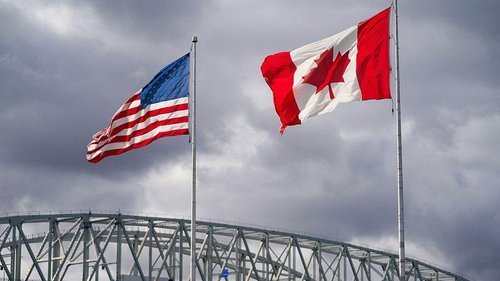
As federal elections approach, Alberta’s pro-independence movement gains traction with calls for referendums echoing through regions like Lethbridge, sparking a fierce debate on the future direction of the province.In front of a packed hall in Lethbridge, Dennis Modry, a co-leader of the Alberta Prosperity Project, engaged a crowd of about 100 residents in an uneasy dialogue on Alberta's future. The room buzzed with contrasting opinions; many raised their hands in favor of independence while others suggested joining the US. "We have more in common with America than the rest of Canada," stated Jeffrey Rath, another co-founder of the project, drawing attention to shared cultural ties and echoing sentiments of growing discontent with Ottawa's federal policies.This newfound desire for autonomy in Alberta is a response to a decade of Liberal rule, particularly under the leadership of Justin Trudeau. The political landscape has shifted significantly, fueled by US President Donald Trump's earlier remarks suggesting that Canada could become the "51st state." This rhetoric has only intensified feelings of disenfranchisement amongst many Albertans who believe western issues remain overlooked by the federal government.Historically, Alberta and its neighboring Saskatchewan provinces have questioned their representation within Canada, especially given their importance to the nation's economy. Under ongoing Liberal environmental policy reforms, which some residents view as detrimental to economic growth, this sense of alienation has only strengthened. Preston Manning, a notable figure in Alberta's conservative politics, described this growing sentiment in a Globe and Mail piece, urging that a vote for the Liberals equates to a desire for western separation. This reflects widespread frustration with perceived neglect, leading to open discussions that were once relegated to the political periphery.The recent turbulence within Canadian electoral politics has left many Albertans feeling underrepresented. The anticipated performance of the Liberal Party, especially with a potential fourth consecutive victory, only exacerbates their concerns and reinforces their motives for seeking independence.Alberta's Premier, Danielle Smith, has recognized this national unity crisis potential and has suggested that without addressing Alberta's goals swiftly, the country risks further divides. While Smith denounces outright separation as mere "nonsense," critics argue that her policies may unwittingly fuel the flames of discontent at a crucial moment in Canada’s political history.People like Lorna Guitton see opportunities for reform, advocating for improved relations with Ottawa rather than outright separation. At the same time, Rath recognizes the economic and cultural affinity with the United States, proposing that Alberta may fit better there than within Canada, leading him to organize a "fact-finding" mission to Washington.While there’s evidence of increasing Liberal representation from Alberta, many voters still express a need to bridge the gap between themselves and the federal government rather than break away entirely. As the province heads toward a potential referendum on independence, perspectives remain varied, echoing the complexities of identity, governance, and regional representation in the heart of Canada.