Unmanned sea drone pulls off first public rescue of US helicopter crew
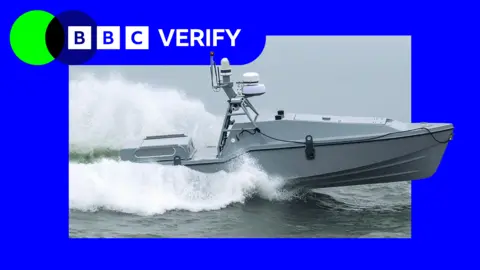
When a US Apache helicopter was struck near Oman’s coast early this week, two soldiers were left drifting in the sea. The Navy’s autonomous Corsair sea drone was brought in to save them—a historic first for unmanned vessels in rescue operations.
According to US Central Command, the soldiers were safely retrieved within two hours and remain in stable condition.
The Corsair, built by a Texas company, measures 24 feet long and can carry up to 1,000 pounds. It is capable of speeds exceeding 40 miles an hour and is equipped with a 360‑degree camera, radar for long‑range navigation, and an electronic radio sensor that can intercept communications for intelligence purposes.
Experts say the drone was likely controlled manually during the rescue, with a Joystick operator directing it toward the soldiers’ approximate location so they could climb aboard. The drone was chosen for its proximity to the incident and its ability to penetrate hostile waters without exposing a manned vessel or helicopter to potential enemy fire.
The U.S. Navy initiated Task Force 59—its first dedicated unit for unmanned systems—in 2021 and began using it in the Middle East by March. The Pentagon awarded the Corsair’s manufacturer a multi‑million contract to produce further autonomous vessels.
Sea drones have seen broader application in recent conflicts. Ukrainian forces have employed them for offensive operations, attaching explosives to target Russian ships, while Iranian and Houthi groups have fired kamikaze boats in the Strait of Hormuz. The U.S. sees these developments as a catalyst for expanding its own drone fleet beyond defensive roles.