In brief
Olympic ice, crucial for sports like curling and ice hockey, is prepared meticulously by skilled 'ice masters.' This article explores the construction process, maintenance, and how different sports necessitate unique ice conditions, including temperature and texture.
Olympic ice describes the uniform ice surface specified for international competitions, including the Winter Olympics.
Skilled technicians are responsible for making and maintaining the ice and they are known as 'ice masters'. The team ensures the surface is optimal for athletes to compete in sports like curling, ice skating, and ice hockey.
The ice hockey arena in Milan-Cortina was constructed from scratch for the upcoming men's and women's matches following delays and last-minute works. But how is this ice made?
It starts with five centimeters of insulation laid over a concrete floor, followed by a vapour barrier, and mats containing glycol to keep the ice cold. After that, boards and glass walls are erected, and roughly two inches of water is added to create ice sheets. The surface is painted and marked for competitions, then topped with an additional layer of water to finalize the playing field.
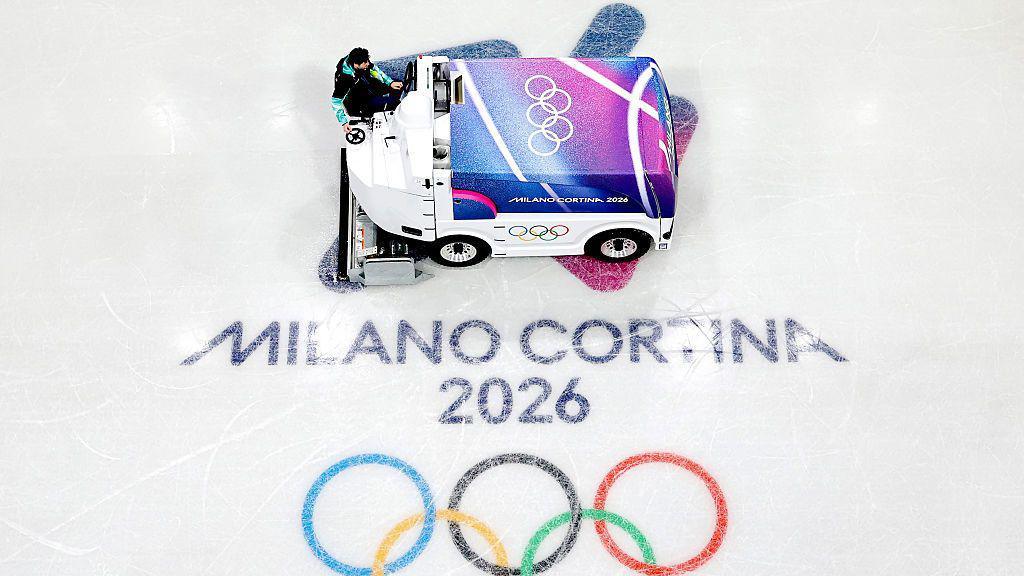
Temperatures are maintained between -5 and -4 degrees Celsius, with resurfacing machines, known as Zambonis, regularly smoothing the ice.
Ice master Mark Messer, overseeing long track speed skating, shared that managing the new system of a temporary venue poses its own challenges, leading to the need for rapid adaptations for such a high-profile event.
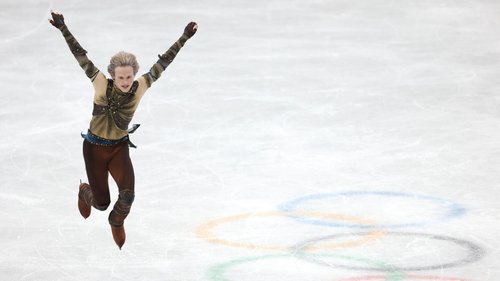
Each sport at the Winter Olympics demands specific ice characteristics. Soft or hard ice might be needed depending on the event—curling requires a textured surface, while ice hockey benefits from harder ice for sudden stops. In areas dedicated to figure skating, the ice must be warmer and softer for safe landings, while speed skating demands colder and thinner ice conditions.
The quality of water used is also pivotal; ice masters check pH levels and purify the water to remove impurities, ensuring it can bond effectively without cloudiness. External factors such as temperature shifts, lighting, and audience density can further impact the ice's performance, requiring careful monitoring by the ice technician team.
This preparation and maintenance process helps ensure that athletes perform at their best under ideal conditions during the Olympic Games.