“My operation is scheduled for tomorrow,” says a wounded soldier, who has recently lost part of his face in the conflict. In a video shared on Telegram, he expressed hope that Fedorov would return to the Ministry of Defence after the anaesthetic. “Otherwise, everything I was fighting for will have been in vain,” he said.
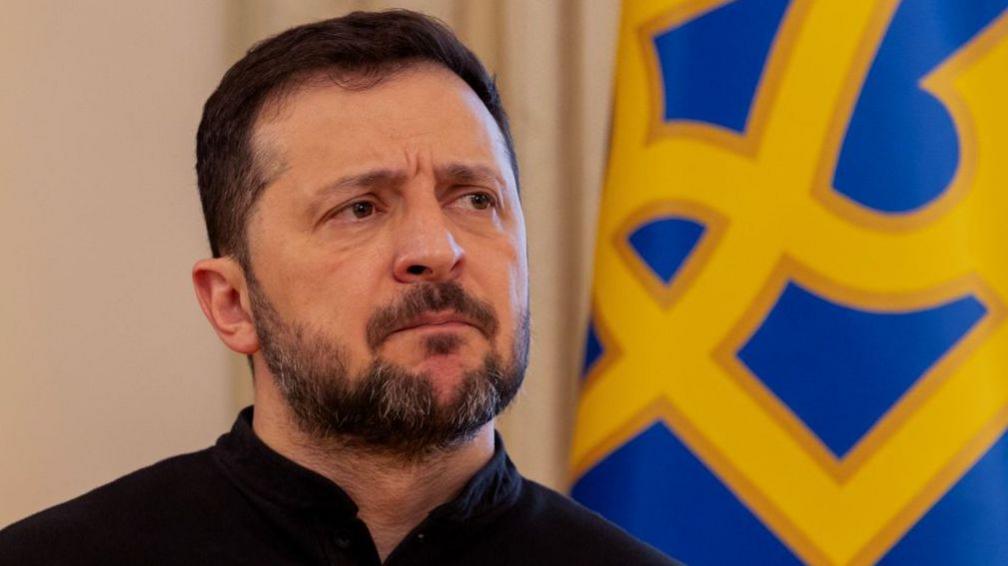
At the heart of the frustration is President Volodymyr Zelensky’s decision not to re‑appoint Mykhailo Fedorov as defence minister. The 35‑year‑old reformer, who had overseen sweeping digital changes in the armed forces, was dismissed in a cabinet reshuffle this week. Soldiers describe the move as “blatant slap in the face to all service members” and signal a clash between political ambition and on‑the‑ground necessity.
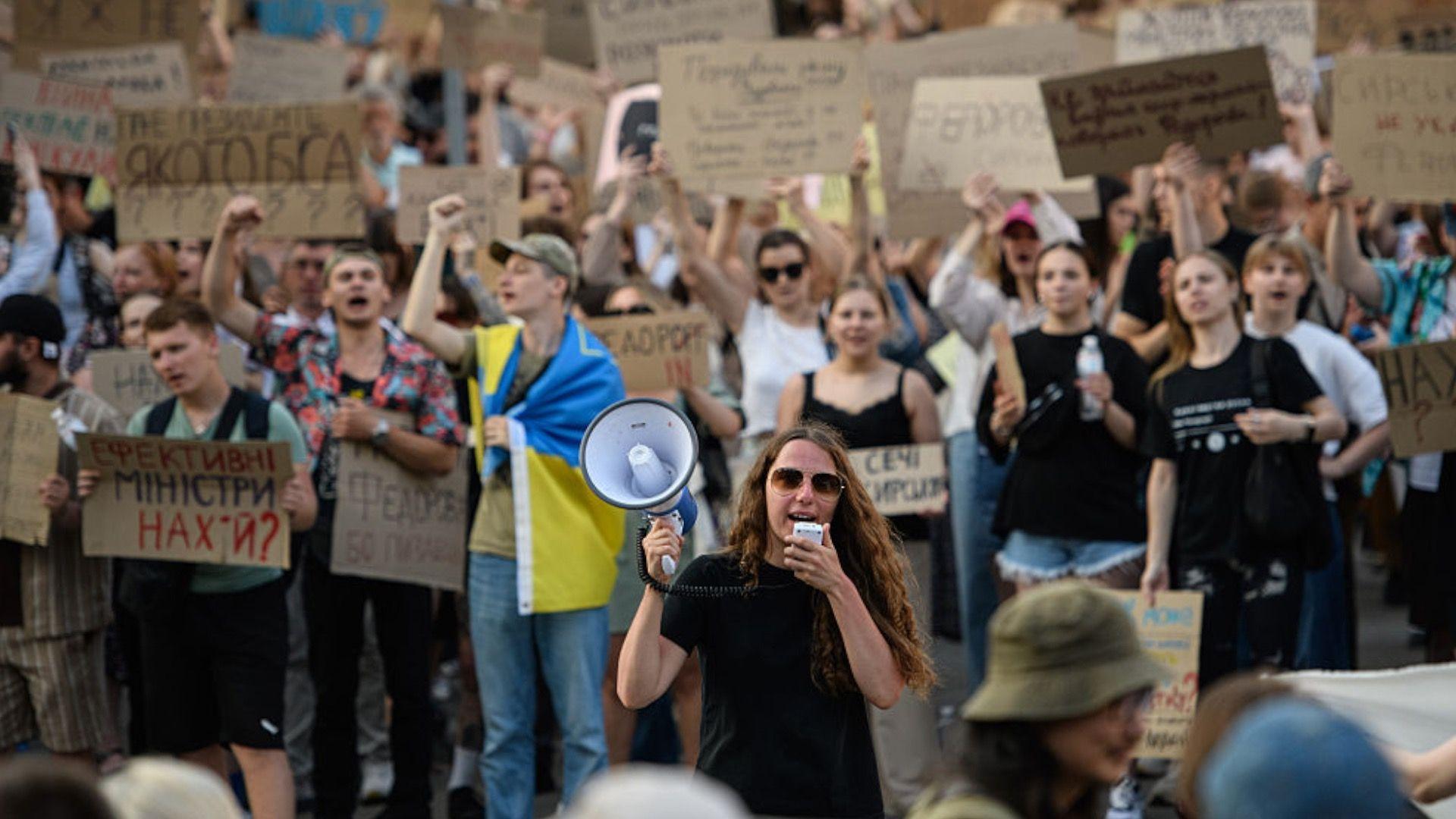
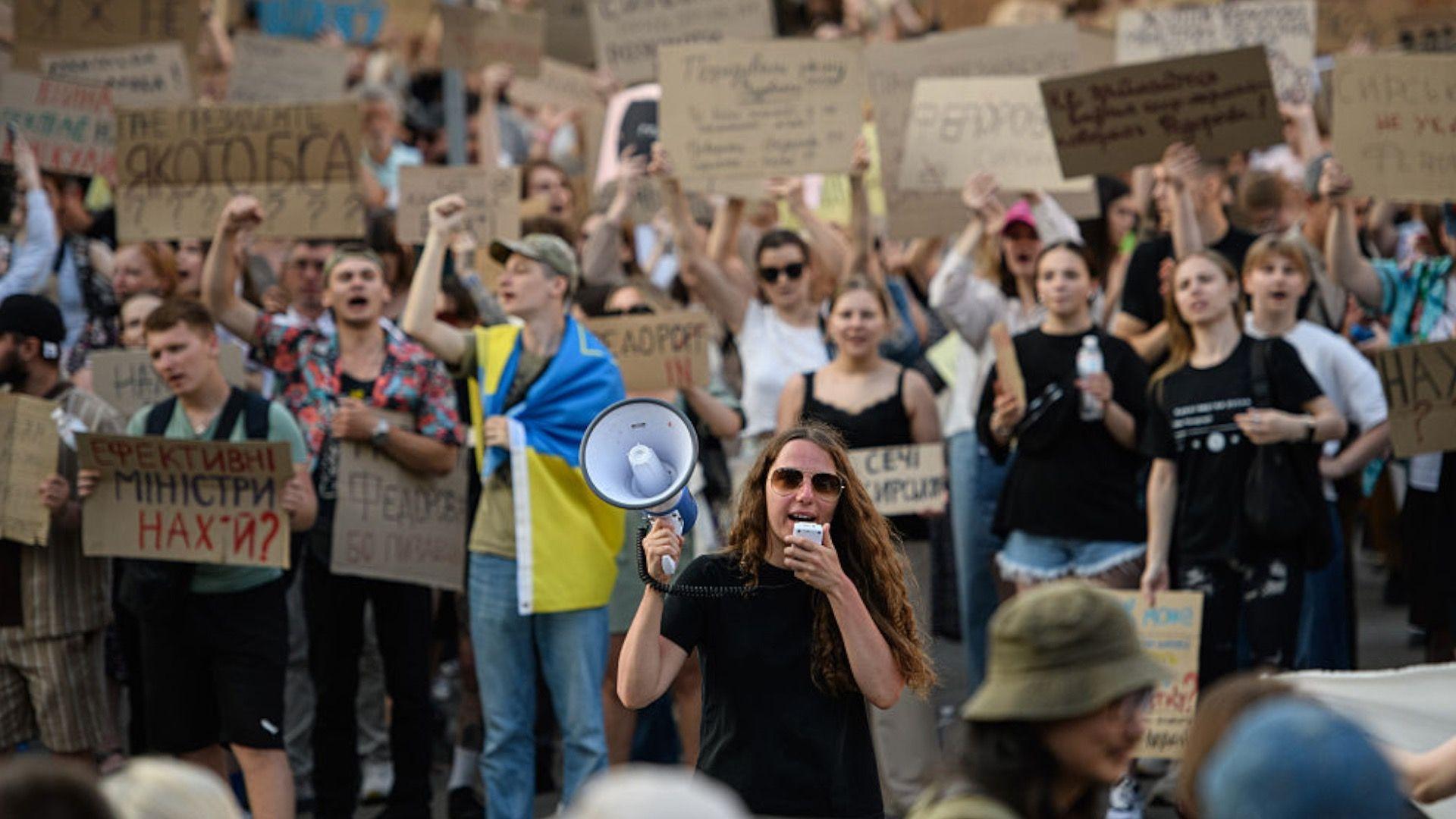
In Kyiv, crowds gathered on Thursday and raised signs calling for the reinstatement of Fedorov. Soldiers interviewed for the BBC, though often anonymous, describe “the sense of betrayal” and a widening gap between frontline realities and Kyiv’s policy decisions. One veteran, Maryna, warned that “a dictatorship is already unfolding here” with a “petty tyrant” class taking control.
Against this backdrop, rumors circulate that Gen. Oleksandr Syrskyi, commander‑in‑chief, may have blocked Fedorov’s reforms during their brief overlap. Of the 60‑year‑old commander, soldiers describe him as “the General 200” or “The Butcher,” while some acknowledge his vital role during the early‑2022 defense of Kyiv. Conversely, others commend the commander’s experience, noting that “he conducted all successful operations of this war.”
Fedorov’s legacy includes initiatives like the “Army of Drones: Bonus,” a points‑based reward system for successful strikes, and a partnership with Elon Musk to block Russian access to Starlink. His abrupt departure raises concerns that Ukraine’s digital edge will be eroded at a critical juncture, as new Russia‑led operations target energy grids.
Despite the protests, many soldiers remain skeptical that public pressure will alter the president’s decision. Some, like former soldier-turned-intelligence analyst Ivan Stupak, point out that the Ministry of Defence is “a swamp”, calling for a significant overhaul but recognizing the resilience of seasoned clerks who resist change.
The protests, the first since the full‑scale invasion, echo the 2023 demonstrations that saw the reversal of an anti‑corruption bill. Yet, this week’s gatherings, though smaller, carry a higher stake — a direct impact on Ukraine’s war effort amid looming threats. Analysts argue that the removal of a key architect of technological victory signals a shift to a more dictatorial approach, echoing criticisms that Zelensky’s leadership style is evolving into that which he once mocked as a comedian.