
In brief
Military leaders have directed National Guard units in all states and territories to establish quick reaction forces trained to manage civil disturbances. This initiative aligns with the Trump administration's ongoing efforts to utilize military resources for domestic security, focusing on training and prompt response capabilities to address incidents effectively. The order follows an executive mandate aimed at strengthening the military's role in responding to civil unrest nationwide.
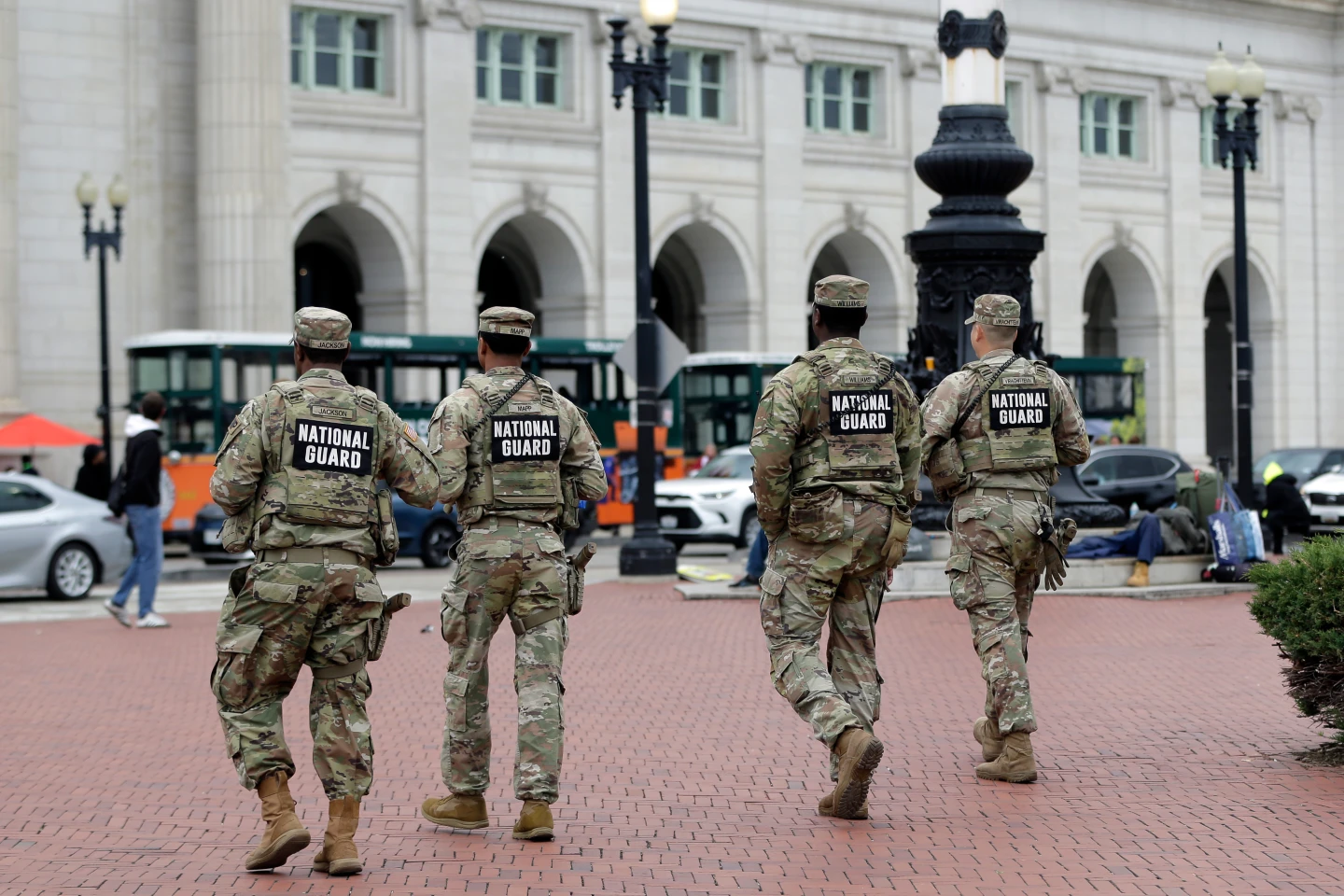
Military leaders have ordered the National Guard in every state to develop a “quick reaction force” of troops specifically trained to handle civil disturbances and riots. This initiative can mobilize troops for deployment within hours, reflecting the Trump administration's broader strategy to increase military presence in U.S. cities.
Recent memos circulated across all 50 states and U.S. territories—excluding Washington, D.C.—instruct National Guard units to create specialized training regimens. Participants will learn the use of equipment such as batons, body shields, stun guns, and pepper spray.
The memos, directed by Major Gen. Ronald Burkett, outline the establishment of approximately 23,000 troops ready for quick deployment, with provisions including a specialized military police battalion in Washington, D.C.
Part of President Donald Trump’s vision, this move aims at enhancing the military's capability in responding to illegal immigration and crime. Historically, the National Guard was primarily utilized for disaster response and lacked the specialized training required for domestic law enforcement.
The training efforts will be bolstered by equipping the units with crowd control gear and conducting comprehensive courses focused on crowd management and the use of non-lethal weapons. Each unit must report monthly on its progress in building these rapid-response capabilities.
This directive follows an executive order from Trump aimed at establishing quick response forces nationwide, highlighting a significant shift in the military's role in supporting law enforcement operations as legal challenges arise regarding troop deployment in places like Chicago and Portland.



