In brief
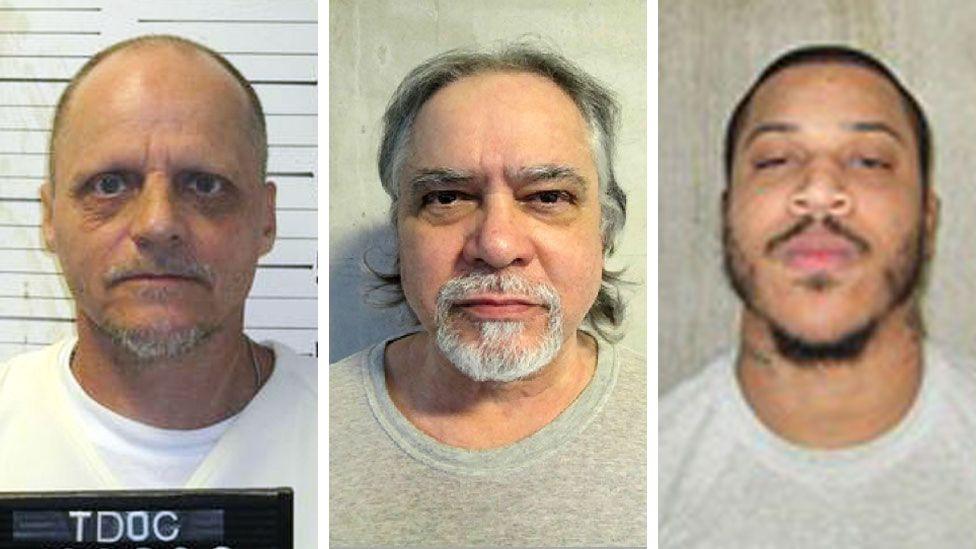
On Thursday, three convicted murderers—Anthony Darrell Hines, Jeremy Williams and Carlos Cuesta‑Rodriguez—are scheduled for execution in Tennessee, Alabama and Oklahoma. The decision comes amid a national spike in executions, driven largely by Florida’s aggressive death penalty policies. Despite a 60% drop in public support for capital punishment, state governors and courts are moving forward with death warrants. The case raises questions about the future of lethal injection, firing squads and the ethical implications of the death penalty.
On Thursday, a chilling three‑man clearance is set to take place in the United States. Anthony Darrell Hines, 66, is slated for execution in Tennessee; Jeremy Williams, 41, in Alabama; and Carlos Cuesta‑Rodriguez, 71, in Oklahoma.
The three proceedings reflect a broader spike in executions across the country, most notably in the Sunshine State. Florida now accounts for roughly 40% of all U.S. executions, driven in part by the policies championed by Governor Ron DeSantis.
Former President Donald Trump’s administration rekindled the federal death penalty and influenced state action, calling executions a deterrent for violent crime. State courts have kept pace; for example, Alabama’s Joshua set a precedent last year by permitting lethal injection on a 5‑year‑old victim’s murderer.
Despite a decline in public endorsement—just 52% of Americans now view capital punishment as morally acceptable—the number of death sentences handed down by juries is falling sharply. In 2025, only 23 death sentences were issued, a stark contrast to the 300+ issued nationwide in the 1990s.
Executions in the U.S. have become a topic of not only moral debate but also procedural critique. Billions of dollars spent on drugs, botched injections, and the legal right to appeal now dominate the conversation.
While the scheduled executions have not yet been carried out, the third Thursday in August marks the fourth-closest time since the last same‑day executions in 16 years. The case casts a stark spotlight on the future of the death penalty in America as the legal and public landscapes continue to evolve.