
In brief
In an event marked by significant political milestones, the Baltic states have officially transitioned from Russia's control to the European Union’s electricity system, a crucial step in bolstering security and independence against potential threats from Moscow.
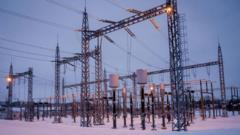
The Baltic states of Estonia, Latvia, and Lithuania have made a groundbreaking transition by disconnecting from Russia’s electricity grid and successfully integrating into the European Union's power network. This significant change, long in discussion since 2007, was accelerated following Russia's invasion of Ukraine in 2022. EU chief Ursula von der Leyen celebrated the event in a ceremony in Lithuania's capital, emphasizing the newfound freedom from intimidation and coercion. Polish President Andrzej Duda echoed this sentiment, calling the moment a vital stride towards enhancing the region's security and independence from post-Soviet influences.Previously reliant on the Brell power grid that included Belarus and Russia, the Baltic countries maintained an energy vulnerability linked to Moscow. Despite being NATO members and severing ties with Russian electricity purchases in 2022, the connection to Brell left them exposed. Von der Leyen cautioned against potential Russian retaliation, referencing a rise in incidents suspected to involve Russia targeting undersea cables, highlighting a perceived pattern of sabotage affecting the Baltic region.The transition, financed largely by the EU with a total investment of around 1.6 billion euros, unfolded over two days. The Baltic states maintained an "energy island" status for approximately 24 hours before officially connecting to the EU’s grid. Lithuanian President Gitanas Nauseda advocated for sanctions against Russia's shadow fleet following recent incidents, demonstrating the ongoing tensions in the region. Ukrainian Energy Minister German Galushchenko hailed the transition as a significant affirmation for all of Europe. As safety measures are heightened in response to the risks associated with undersea infrastructure, NATO has initiated new protective missions, underscoring the critical nature of this energy realignment.
