US‑Iran Deal Raises Questions on Lebanon's Future
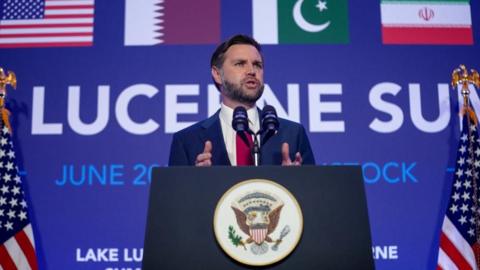
\After a year full of dead‑ends, Washington and Teheran have formally agreed to a memorandum of understanding that may reset sanctions and curb missile threats directed at Gulf states.
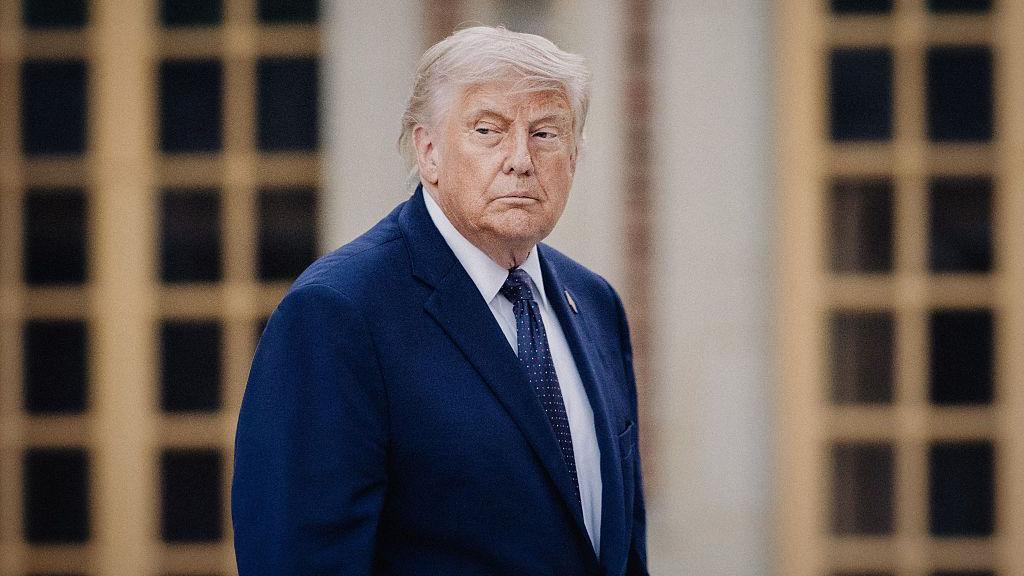
\U.S. President Donald Trump publicly heralded the accord as a turning point, proclaiming that it would bring “peace and security to the whole region.” The Iranian deputy foreign minister, Kazem Gharibabadi, celebrated the signing, highlighting Iran’s military achievements and stressing that the deal will lift the blockade on Iranian ports.
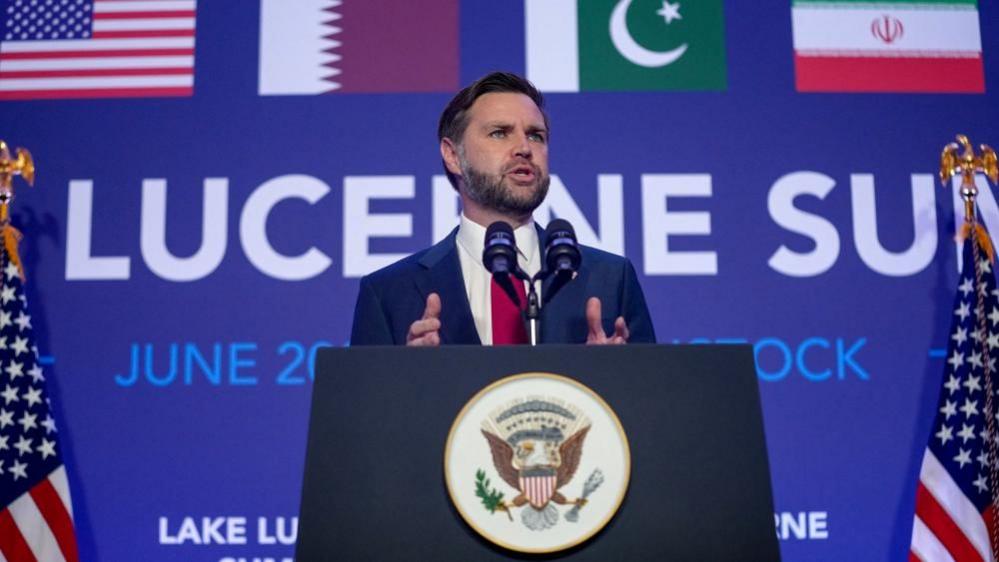
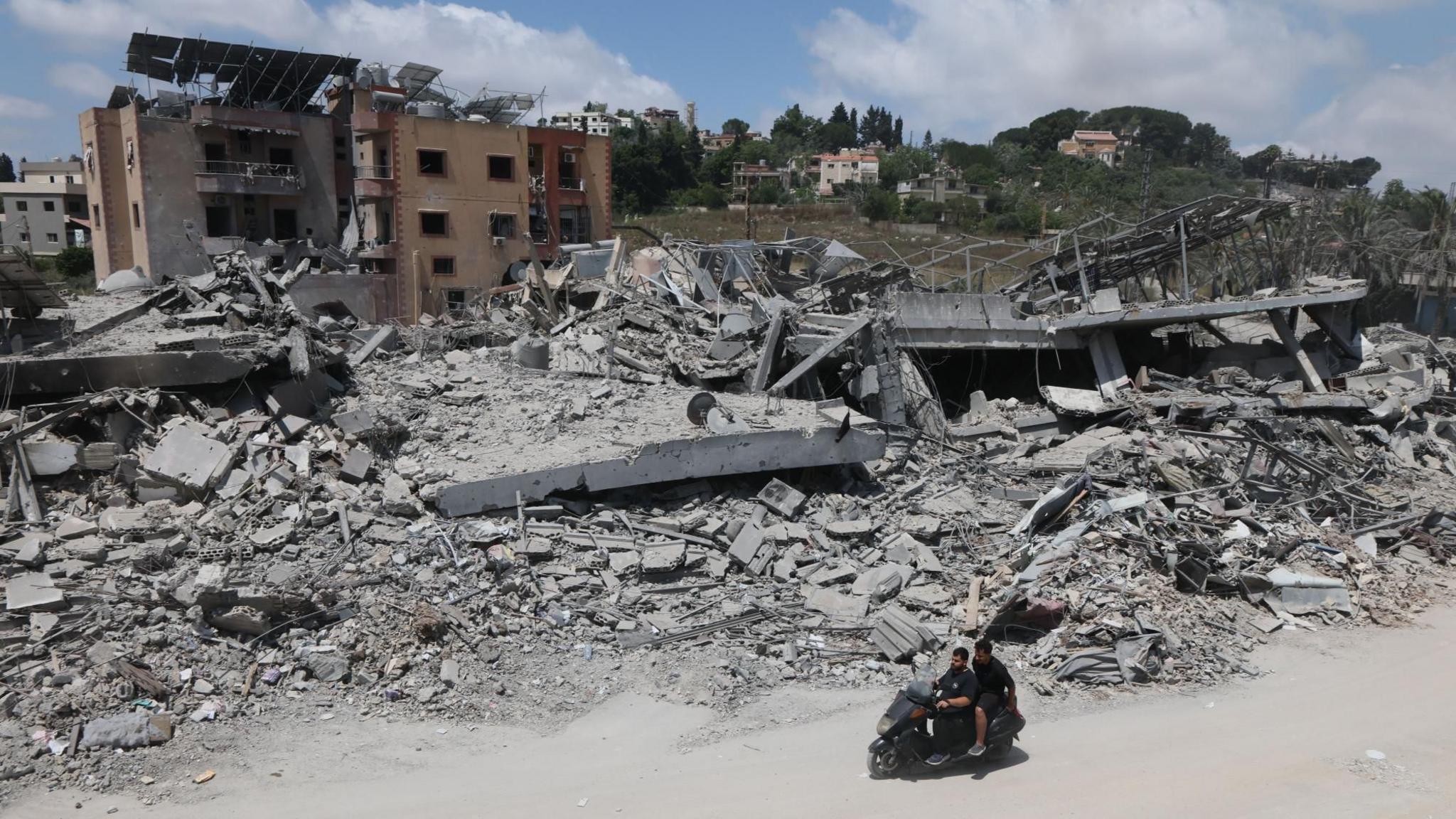
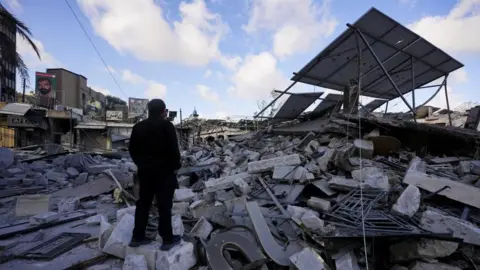
\Pakistan, serving as the mediator, stated that the agreement also calls for the permanent termination of all military operations across the board—including those in Lebanon. It remains to be seen whether Israel’s Prime Minister Benjamin Netanyahu will accept a pause in its offensive against Hezbollah.
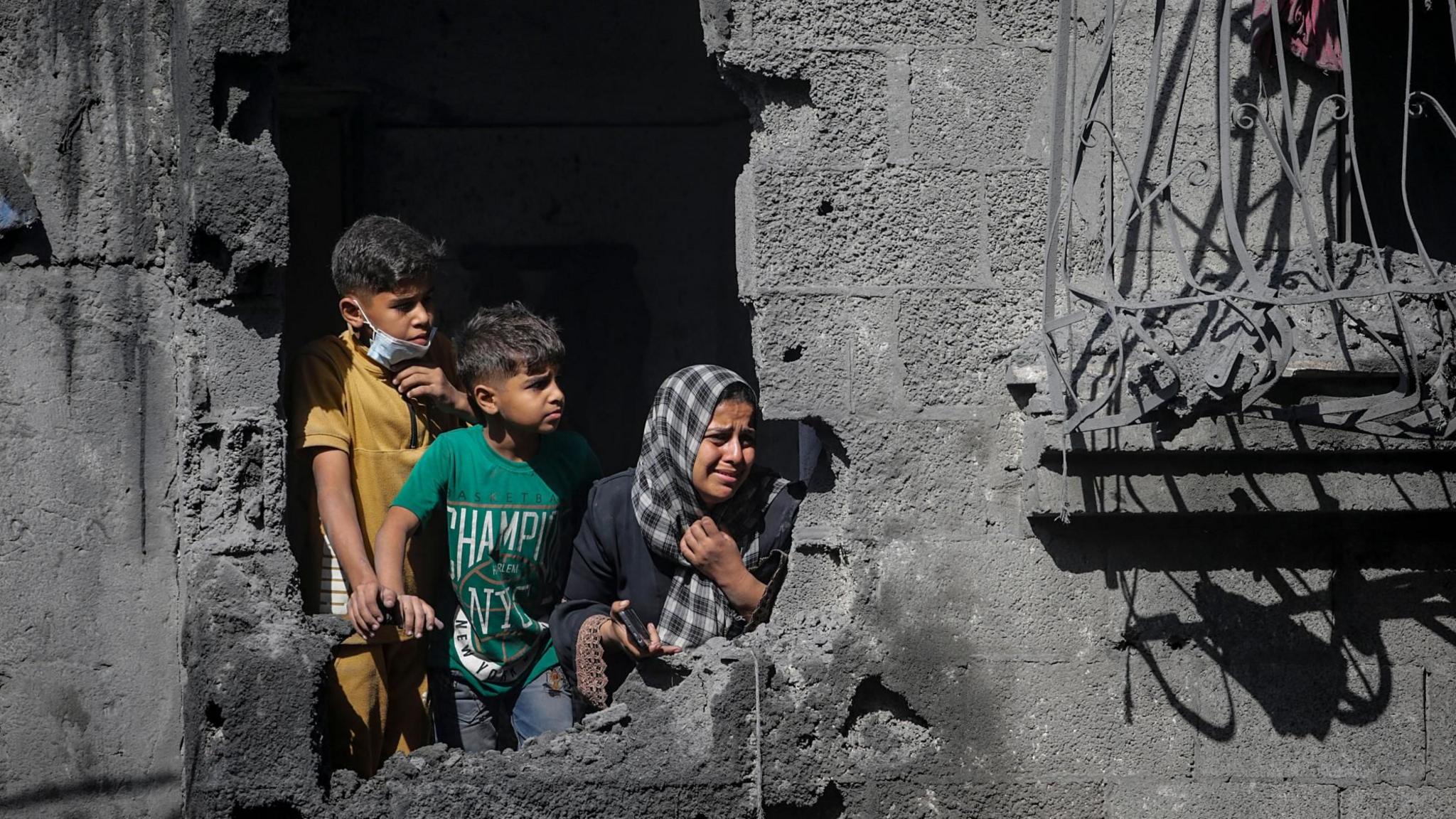
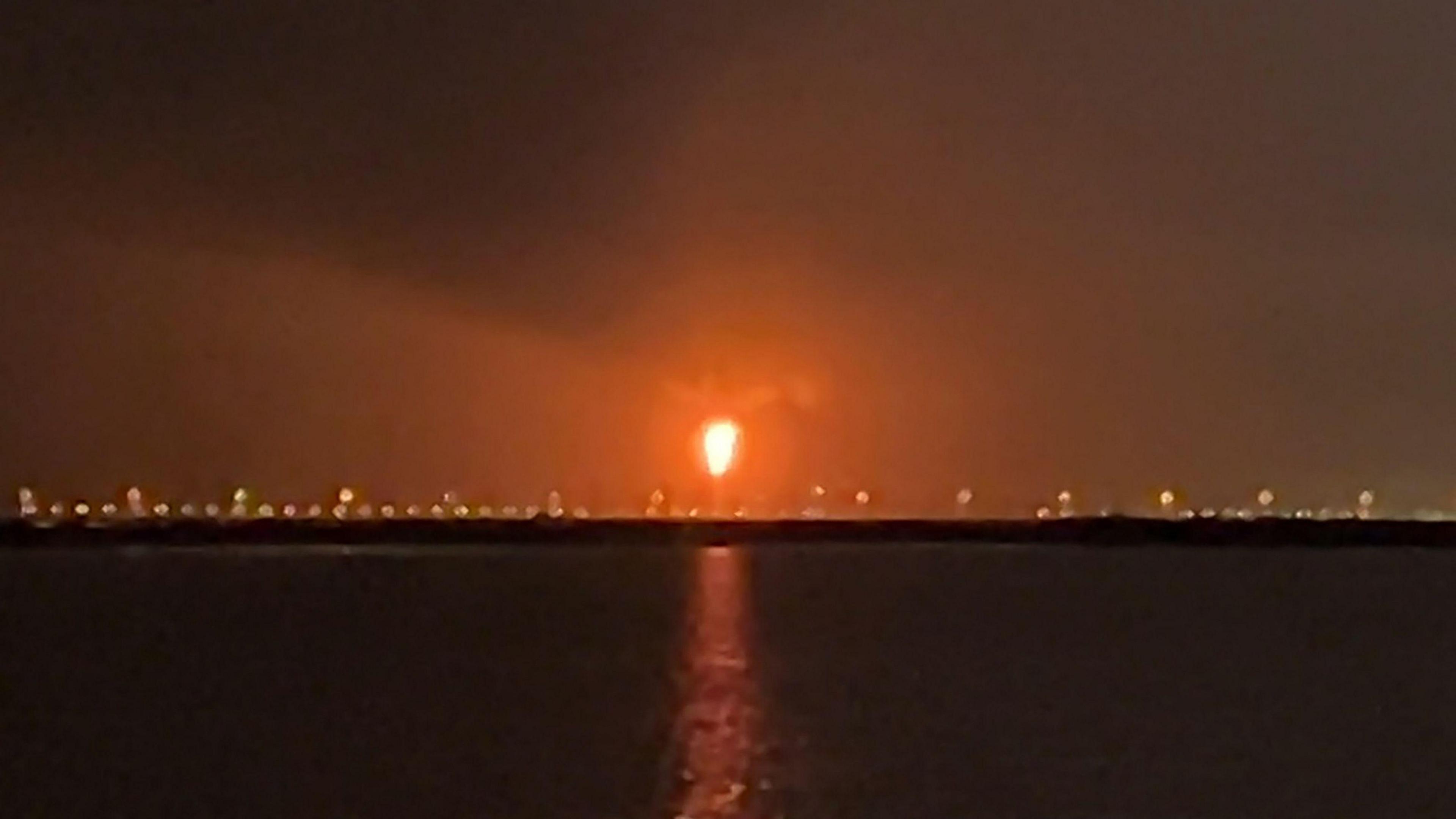
\Lebanon, where two brief cease‑fires have already collapsed, faces uncertainty. Israeli raids on southern suburbs of Beirut in response to Hezbollah rockets have been close to undermining the new pact, and Iran has held back new missile strikes to keep the agreement intact.
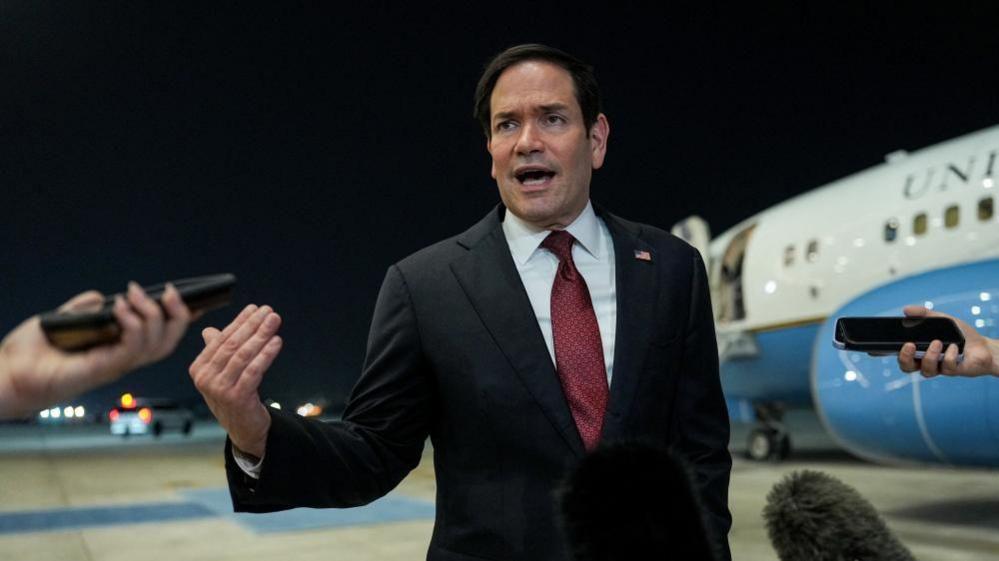
\For Gulf neighbors, the deal may signal an end to Iran’s missile threat, potentially easing strategic anxieties. However, core U.S. concerns about guaranteeing the prevention of Iranian nuclear weapon development remain. Pakistani officials suggest that mechanisms for oversight will be negotiated in the days ahead.
\The ceremony to ratify the memorandum lies several days away, and officials warn that final adjustments could be unexpectedly complex. In the meantime, the narrowed conflict zone offers a temporary pause, even as broader regional tensions persist.
\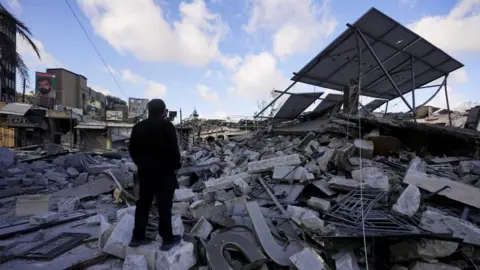 \
\Source: Reuters covering the impact of Israeli strikes in southern Lebanon’s Nabatieh, 15 June 2026.
\