In brief
President Trump announced that U.S. forces had launched a new wave of strikes against Iranian targets in honour of the American soldiers lost in Jordan and Iraqi attacks. The strikes, the ninth consecutive night, hit military bases and communications networks, drawing a retaliatory response from Iran including a surprise attack in Syria. Iran has also accused the U.S. of damaging oil tankers in the Strait of Hormuz and threatened a punitive response. Amid rising tensions, U.S. Secretary of State Marco Rubio urged diplomatic solutions while warning that the strait’s safety could be compromised by Iranian dominance. The latest events have further strained an already fragile cease‑fire agreement that unravelled after President Trump declared it over in early July.
President Donald Trump announced that the United States had carried out a new wave of airstrikes on Iranian military sites, calling the attacks a tribute to three U.S. soldiers killed in Jordan and Iraq.
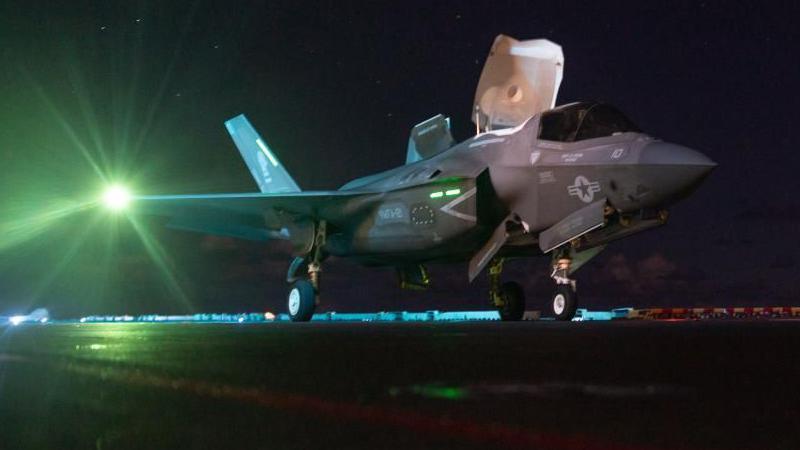
The strikes began early on Monday local time, what the U.S. Central Command (CentCom) described as the ninth night of consecutive operations targeting enemy bases and communications hubs to diminish Tehran’s attacks on shipping in the Strait of Hormuz.
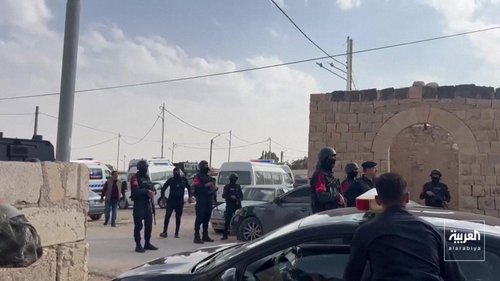
In response, Iran launched a surprise attack in Syria and fired at an airfield in Jordan’s Aqaba, while the Islamic Revolutionary Guard Corps (IRGC) claimed the U.S. actions had wrought devastation across cities such as Tabriz, Chabahar, Konarak, Bandar Mahshahr and Bandar Imam Khomeini.
Iranian state media also reported that two oil tankers tried to cross the strait and exploded, a claim that the U.S. disputed. The IRGC warned that the waterway could not safely accommodate petrochemical products while the strikes continued, asserting it would respond with a punitive operation.
Earlier this week, the U.S. confirmed the death of a service member in northern Iraq following an Iranian attack on Saturday, the day after two soldiers were killed in a Jordanian base and a third was missing, while American forces were still searching for the remains.
Marco Rubio, the U.S. Secretary of State, said the United States remains open to diplomatic solutions but warned that the world must decide whether or not to accept Iranian control of a vital maritime route, highlighting the stakes of the ongoing conflict.
These developments come after a preliminary cease‑fire deal reached in mid‑June unraveled, and negotiations for a lasting peace have stalled, following President Trump’s declaration that the agreement was over on July 8.