In brief
Amina Abu al‑Kas’s death marked one of many tragic outcomes as Gaza’s healthcare system struggles to provide essential drugs and to evacuate patients to foreign hospitals. The Gaza Medical Board’s approvals are frequently delayed by lengthy Israeli security checks and limited outbound crossings, leaving families in waiting and fear. At least 300 Palestinians have lost their lives while awaiting medical evacuation since the ceasefire, and WHO data now points to 1,977 successfully transferred out of Gaza, a number still far below the nearly 15,000 still on the waiting list. With power cutouts, scarce medication, and rising protests for patients’ care, voices from the front lines call for urgent reforms to open channels for treatment and protect those most in need.
‘Two Weeks After Her Death I Got a Call’: Gaza Patients Face Agonising Delays for Evacuation
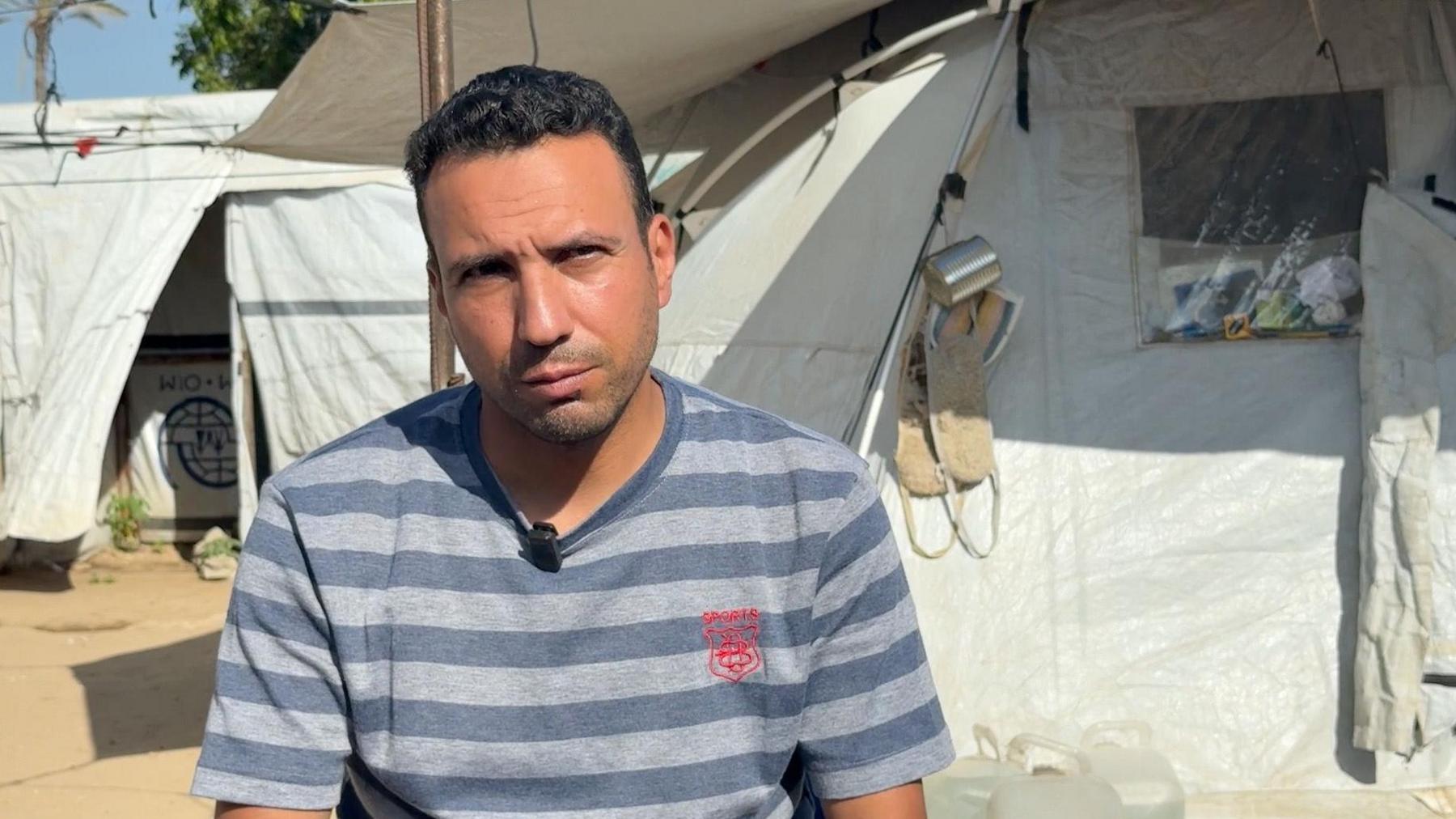
When Gaza’s medical board approved Amina Abu al‑Kas to leave the Strip for treatment abroad, her son Saber felt it was a sign of hope. Amina suffered from a rapid necrotising infection that had spread to her skull, a condition Israel denied treatment for in Gaza.
Saber described the turmoil: “She could not sleep; the pain was relentless. Pain medication caused ulcers, and the doctors told us not to use it.” He waited for a response that Amina would have passed security clearance and then been accepted to a foreign hospital for care. However, Amina died on 29 May, and only two weeks after her death did a hospital contact Saber to say the paperwork was finally ready.
According to the Hamas‑run health ministry, 300 Palestinians have died while waiting for medical evacuation since the ceasefire with Israel began last October. WHO reports 15,000 patients remain on the waiting list, with only 1,977 having been transferred for treatment abroad.
Patients must first be approved by Gaza’s referral board, then pass security checks by Israel, the host country, and any transit governments. After approval, a host nation must also accept the patient. Many countries specify limits on the type of patients they will accept, complicating a process that can touch months.
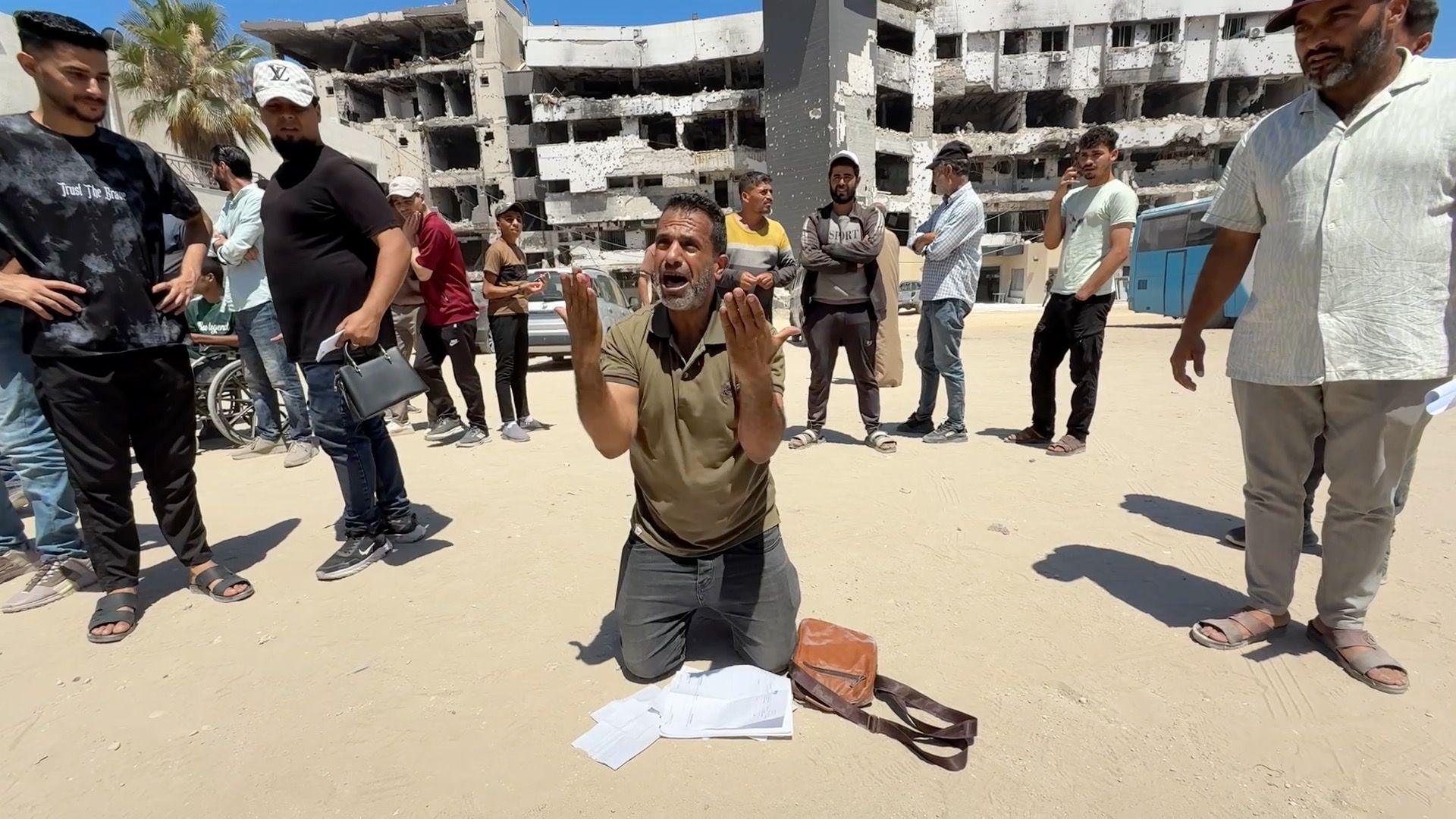
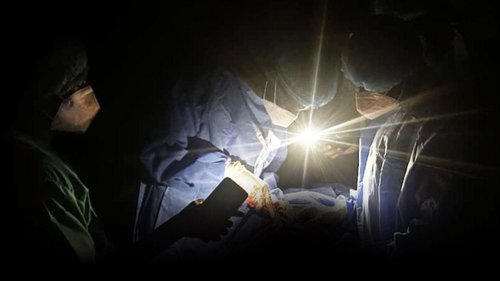
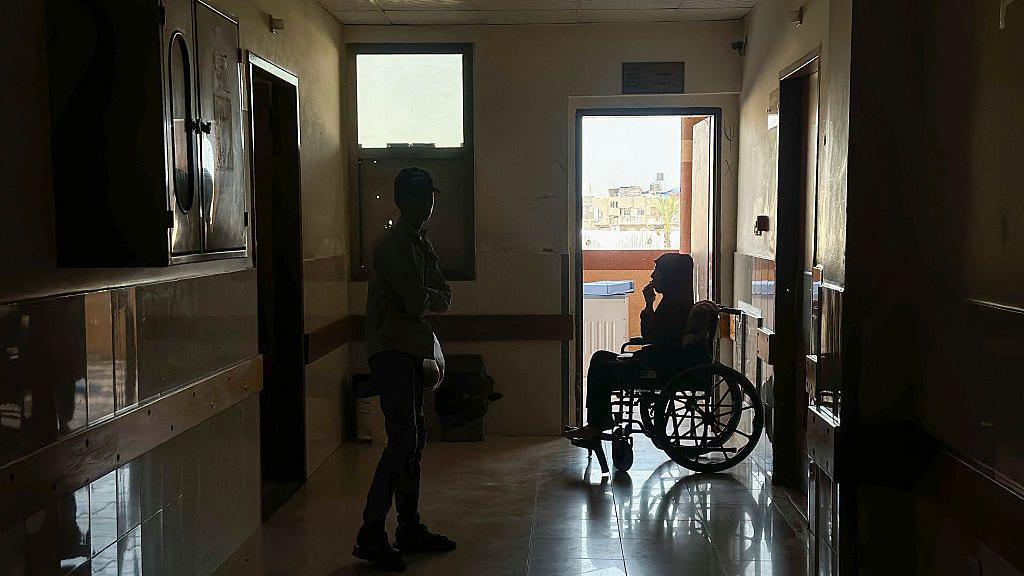
Shortages of basic supplies like gauze, painkillers, and advanced equipment have forced Gaza’s doctors to ration life‑saving drugs, leaving many patients who cannot receive needed chemotherapy or dialysis turned away.
Health ministry engineer Mazen al‑Arayeshi warned of dangerous power cuts: “If spare parts, filters and new generators are not allowed in, we are heading towards a catastrophe.” The generator at Nasser Medical Complex failed, forcing several departments to shut down.
Some desperate families now resort to paying black‑market agents thousands of pounds to “speed up” evacuation, a practice WHO warns against. The agencies advise patients to beware of fraud and remind them that Israel has approved all medical aid requests from international organisations.
Saber reflects on the immense patience required: “During this war, we have learned everything, adapted to everything.” He emphasises that life in Gaza is different from anywhere else in the world. The crisis of patient care continues to unfold as international pressure mounts and the humanitarian situation worsens.