Trump again tries to limit U.S. birthright citizenship with new executive orders
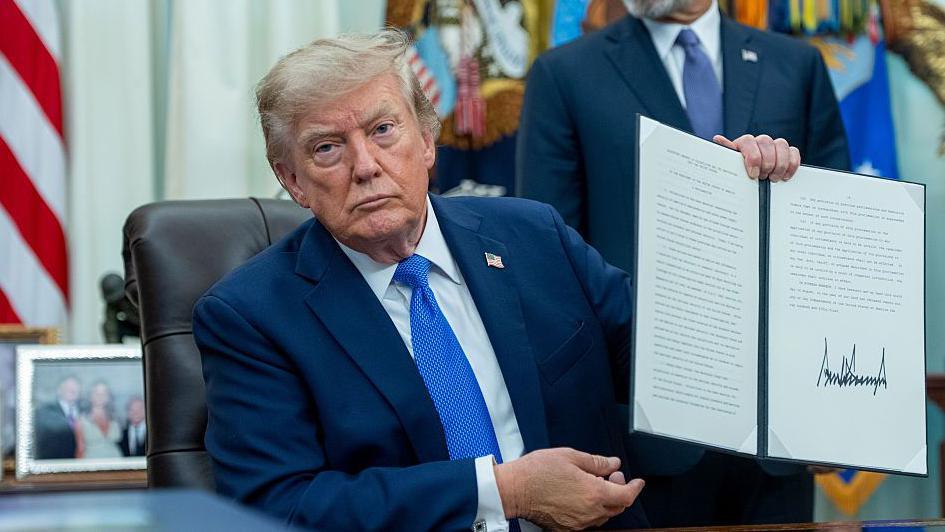
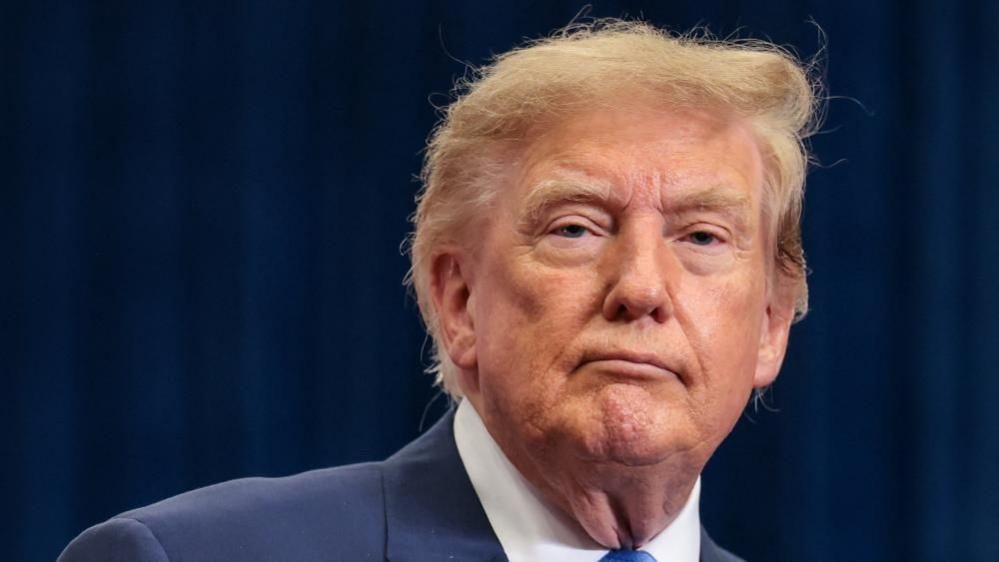
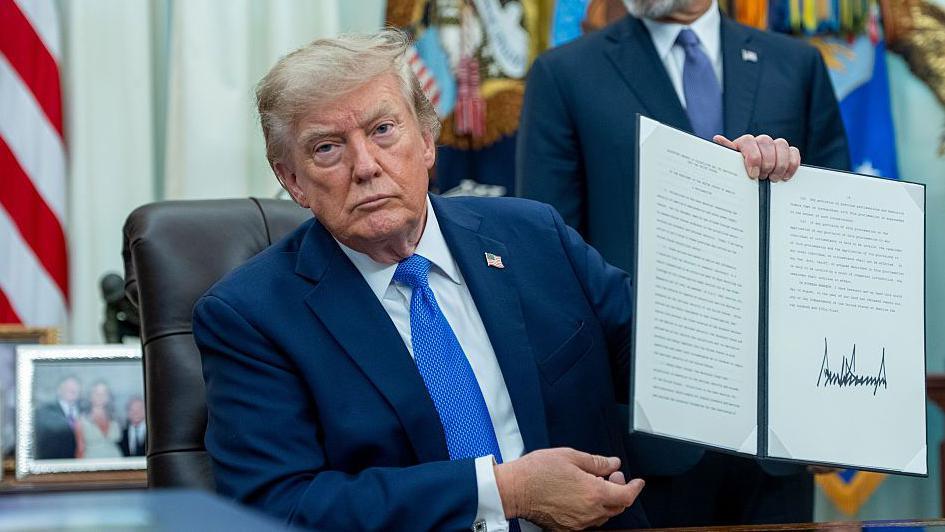
In a lingering attempt to reshape who qualifies for citizenship at birth, President Donald Trump signed two executive orders on Thursday that expand exclusions for children born to non‑citizen parents.
The first order blocks automatic citizenship for babies born in the United States whose parents are members of foreign terrorist groups, foreign government employees, people who fraudulently seek citizenship, or those living in territories not covered by federal statutes.
The second order prohibits “birth tourism” – the practice in which foreign mothers travel to the U.S. to give birth so their children are U.S. citizens.
Trump said the moves are “needed… to protect our nation from risks posed by malign foreign actors,” criticizing the Supreme Court’s June ruling that upheld birthright citizenship under the 14th Amendment.
Industry experts such as security adviser Stephen Miller argued the orders curb “presumptive birth tourism” that funnels citizens into welfare and voting rights, while lawyer Gabriel Chin cautioned that the executive orders likely face constitutional challenges once a child is born on American soil.
According to the Migration Policy Institute, annual estimates place birth‑tourism‑born infants between 22,000 and 26,000 in the U.S., with 9,600 recorded in 2024.
This latest policy shift follows Trump’s prior 2025 attempt to end birthright citizenship, which was rejected by the Supreme Court a month earlier. The current orders seek to address the same aim using executive power rather than constitutional amendment.
Critics warn that any restriction on citizenship could invite international backlash and complicate the U.S.’s global leadership position.