In brief
On Friday, President Donald Trump announced a deal to bring 300,000 tonnes of Russian diesel to the U.S. market, followed by larger shipments over the coming months. The move drew sharp criticism from both Republican and Democratic senators who argue it violates U.S. sanctions law and funds Putin’s war in Ukraine. Critics also warn that the deal could undermine the broader sanctions regime aimed at Russia’s energy sector. Supporters claim the agreement will lower fuel costs for farmers, ranchers and truckers ahead of the mid‑term elections.
On Friday, President Donald Trump announced a controversial deal to import Russian diesel into the United States, with an initial shipment of 300,000 tonnes to be released immediately.
The announcement follows the U.S. signing of new sanctions targeting Russian oil and gas exporters, raising questions about the legality of the deal.
Senators—both Republicans and Democrats—issued a statement calling the agreement a financial lifeline for Putin’s war in Ukraine and urging the administration to reverse course. The group cited the 2022 congressional ban on Russian energy imports, arguing that the new arrangement violates that ban.
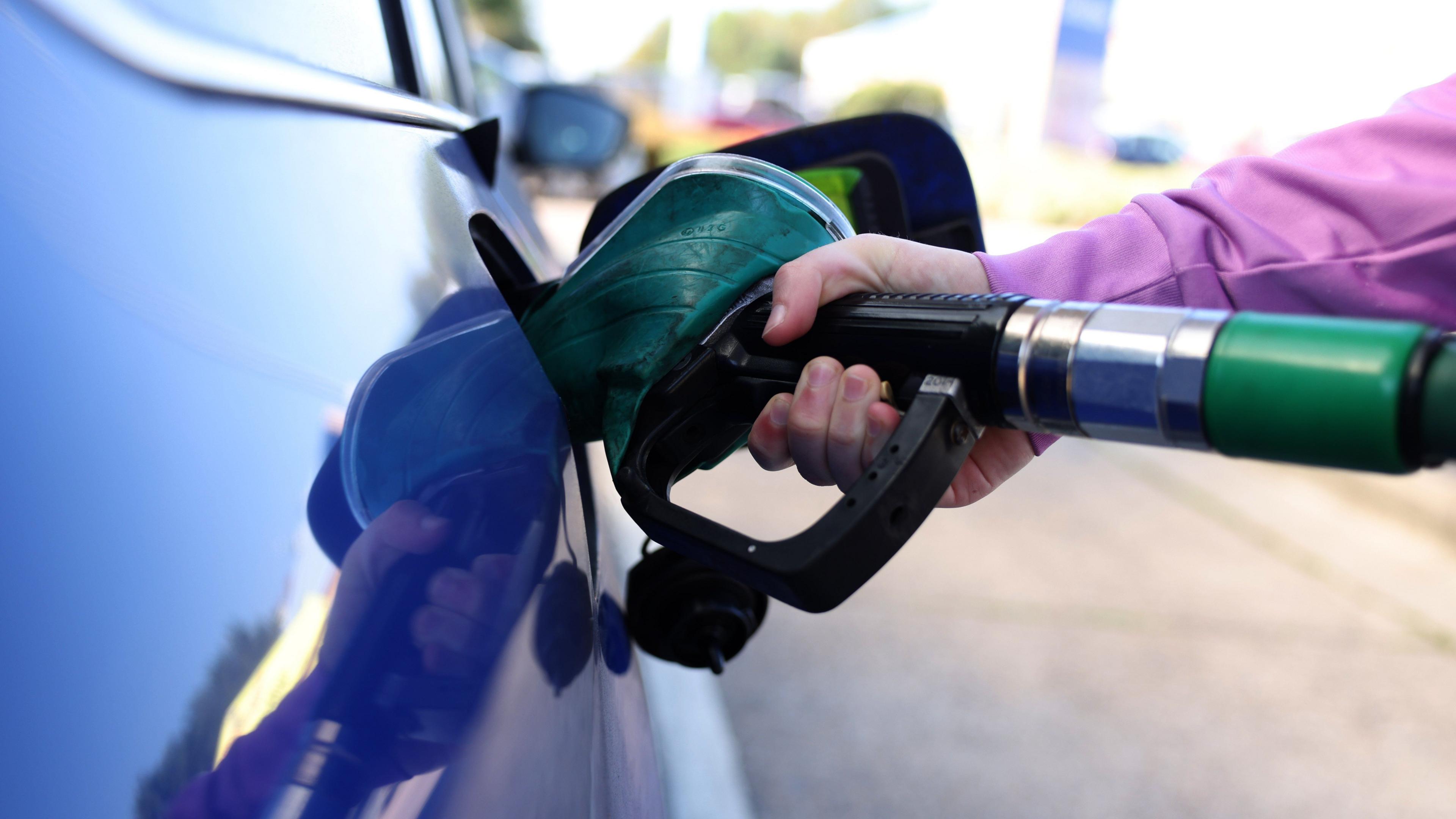
Despite the controversy, Trump highlighted the deal’s potential to lower fuel costs for American farmers, ranchers and truckers, claiming it would be a “greatest priority.” Treasury Secretary Scott Bessent said the arrangement uses existing legal frameworks and that any opposition is “wrong.”
Russia’s Deputy Prime Minister Alexander Novak confirmed the shipment figures to Tass, indicating that monthly deliveries could rise to three million tonnes as refinery attacks in Ukraine continue.
International replies were swift: Ukrainian President Volodymyr Zelensky called the deal a gift to Putin, while UK Defence Secretary Wes Streeting warned that the U.S. should focus on pressure‑building rather than easing fuel costs.
The U.S. diesel market, which consumes roughly 3.6 million barrels a day, will see an addition of only a fraction of its daily usage from the initial shipment, raising doubts about the deal’s impact on prices. The ongoing war‑driven spike in fuel costs adds political pressure on Trump ahead of the mid‑term elections, as public approval of his economic handling remains low.