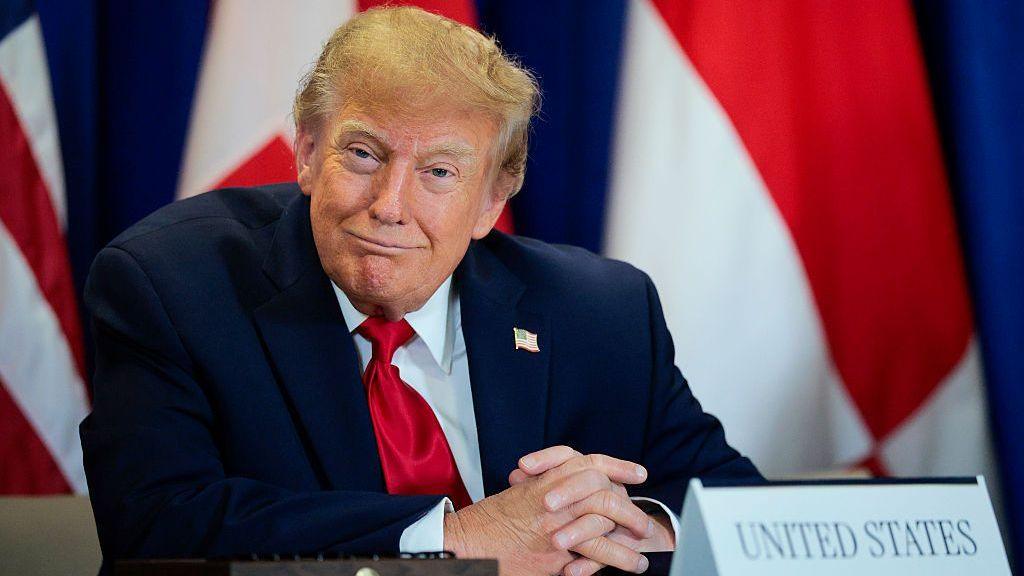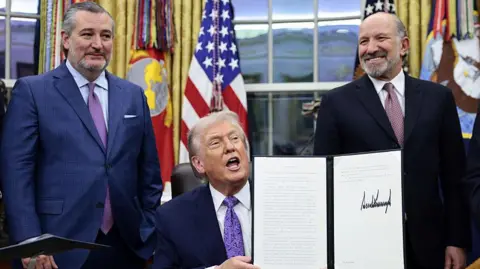
US President Donald Trump has signed an executive order aimed at blocking states from enforcing their own artificial intelligence (AI) regulations.
We want to have one central source of approval, Trump told reporters in the Oval Office on Thursday.
The order is intended to provide the Trump administration with tools to combat what it calls the most onerous state regulations, according to White House AI adviser David Sacks, who noted that the government will still support AI regulations focused on children's safety.
The legislation is a victory for major technology companies that have pushed for uniform national AI legislation, stressing the importance of maintaining America's competitive edge in the rapidly evolving industry.
Industry leaders contend that divergent state regulations could stall innovation and endanger the US's efforts to compete with China, as companies invest heavily in AI development.
However, the executive order has drawn criticism. California, home to many leading tech firms, has already established its own AI framework, prompting Governor Gavin Newsom to denounce the federal directive as corrupt and detrimental to public safety.
Earlier this year, Newsom enacted a bill requiring major AI developers to outline measures for addressing risks associated with their technologies, highlighting the necessity for state oversight absent a robust federal framework.
States including Colorado and New York have also introduced their own AI regulations, with advocates arguing that state laws are essential for protecting residents.
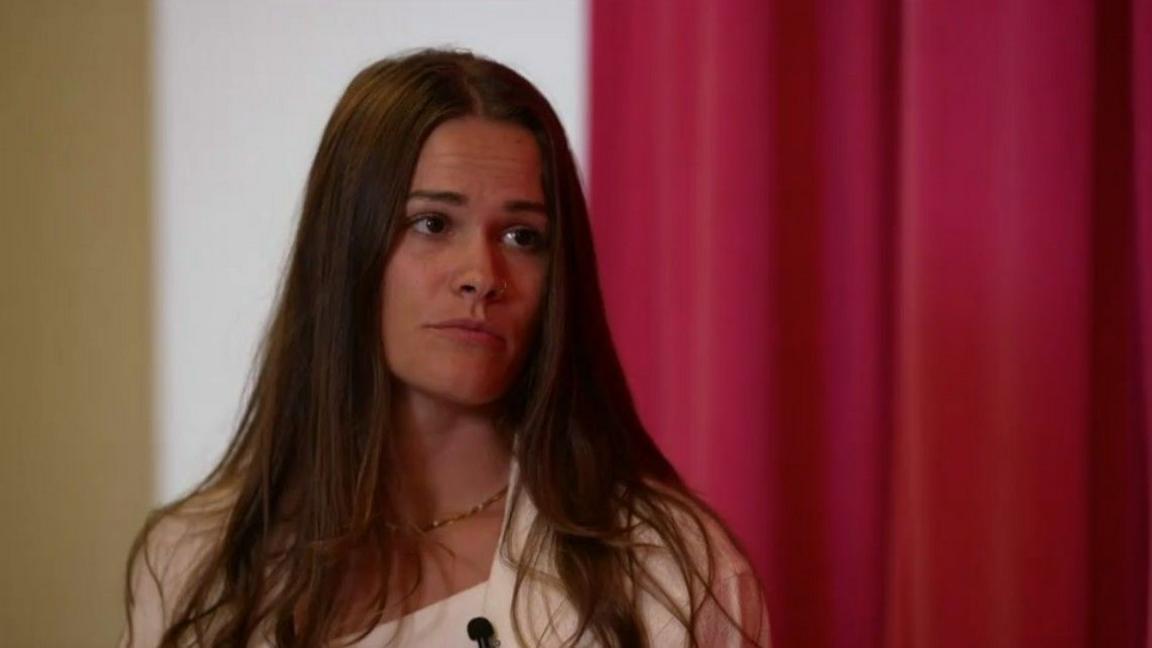
Critics like Julie Scelfo from the advocacy group Mothers Against Media Addiction stress that removing state powers to enact AI safeguards infringes on fundamental rights to protect citizens.
Nevertheless, some experts argue that a fragmented approach with varying state regulations may harm the American AI industry. Professor Michael Goodyear from New York Law School suggested that a single federal law would be preferable, provided it is well-structured.
The tech lobby group NetChoice has praised the new executive order, expressing hopes for collaboration with the White House to establish coherent national standards for AI innovation.