Becky Pepper-Jackson finished third in the discus throw in West Virginia last year though she was in just her first year of high school. Now a 15-year-old sophomore, Pepper-Jackson is aware that her upcoming season could be her last.
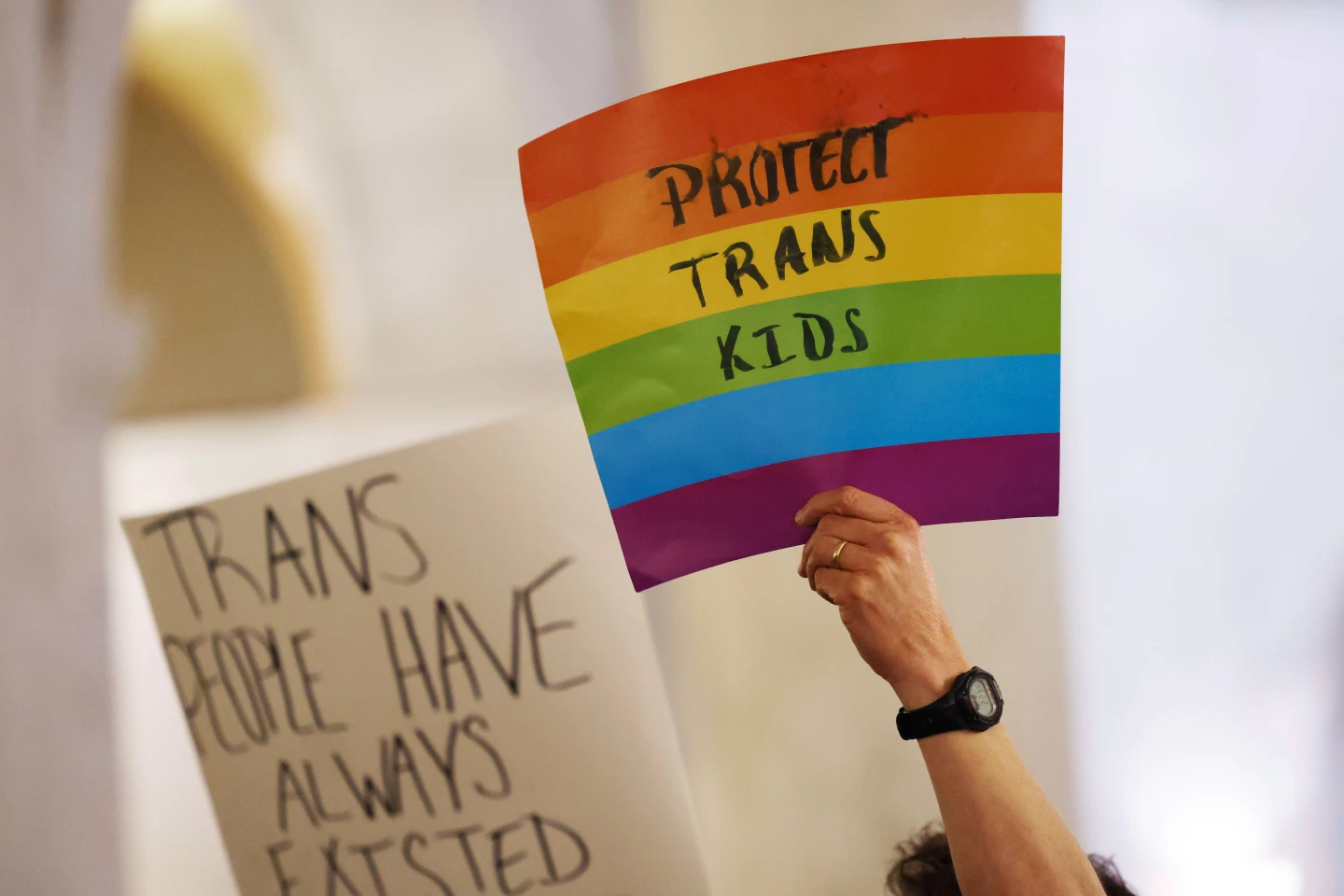
West Virginia has banned transgender girls like Pepper-Jackson from competing in girls and women’s sports, and is among over two dozen states with similar laws. Though the West Virginia law has been blocked by lower courts, the outcome could change with the conservative-dominated Supreme Court hearing arguments in cases over whether sports bans violate the Constitution or Title IX, which prohibits sex discrimination in education.
Pepper-Jackson has become a symbol of the nationwide battle over transgender participation in athletics, highlighting the issue as Republicans leverage the topic to argue for fairness in women's sports. In an interview, she expressed her commitment to the cause, saying, 'I think it’s something that needs to be done... I’m here for it.'
Pepper-Jackson, who has also excelled in shot put, attributes her athletic success to hard work and practice. However, her progress has become a point of contention as critics argue that transgender women competing against biological females undermines women's sports.
In light of the Supreme Court's decision to uphold state bans on gender-affirming medical treatment for minors, Pepper-Jackson now seeks care out of state. The public largely supports policies aimed at restricting transgender competition in sports, raising the stakes for athletes like her.
The legal conflict surrounding her participation embodies broader cultural and political battles regarding the rights and recognition of transgender individuals. If she is barred from competing, she plans to continue her athletic endeavors in alternative forms while pursuing her musical interests.
The implications of the court's decision could set a precedent impacting not just Pepper-Jackson but many others navigating similar challenges across the nation.
West Virginia has banned transgender girls like Pepper-Jackson from competing in girls and women’s sports, and is among over two dozen states with similar laws. Though the West Virginia law has been blocked by lower courts, the outcome could change with the conservative-dominated Supreme Court hearing arguments in cases over whether sports bans violate the Constitution or Title IX, which prohibits sex discrimination in education.
Pepper-Jackson has become a symbol of the nationwide battle over transgender participation in athletics, highlighting the issue as Republicans leverage the topic to argue for fairness in women's sports. In an interview, she expressed her commitment to the cause, saying, 'I think it’s something that needs to be done... I’m here for it.'
Pepper-Jackson, who has also excelled in shot put, attributes her athletic success to hard work and practice. However, her progress has become a point of contention as critics argue that transgender women competing against biological females undermines women's sports.
In light of the Supreme Court's decision to uphold state bans on gender-affirming medical treatment for minors, Pepper-Jackson now seeks care out of state. The public largely supports policies aimed at restricting transgender competition in sports, raising the stakes for athletes like her.
The legal conflict surrounding her participation embodies broader cultural and political battles regarding the rights and recognition of transgender individuals. If she is barred from competing, she plans to continue her athletic endeavors in alternative forms while pursuing her musical interests.
The implications of the court's decision could set a precedent impacting not just Pepper-Jackson but many others navigating similar challenges across the nation.