In brief
Noelia Castillo, a 25-year-old Spanish woman left paraplegic after a suicide attempt, died by euthanasia after a prolonged legal battle. Critics argue that the state failed her in providing necessary support and care, while her case has ignited a nationwide debate on the legal and ethical aspects of euthanasia in Spain.
Warning: This story contains references to sexual assault and suicide
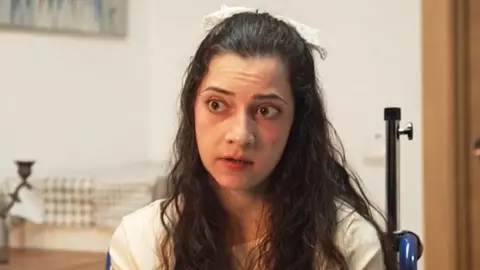
Noelia Castillo, a 25-year-old Spanish woman, died by euthanasia after enduring a lengthy legal battle concerning her right to do so. The case has ignited a fervent discussion about the role of the state in supporting individuals in severe distress.
Left paraplegic from injuries sustained during a suicide attempt in 2022, Castillo passed away in a Barcelona hospital after achieving the permission for assisted dying, which had been granted by the Catalan regional government in 2024. However, legal interventions instigated by her father, supported by a conservative campaign group, delayed the process until this week when the European Court of Human Rights ruled in her favor.
Throughout her childhood, Castillo faced significant trauma, spending time in care homes and suffering from mental health issues exacerbated by familial instability and sexual assaults. Despite these challenges, she expressed a strong desire to end her suffering, stating, 'I want to go in peace now and stop suffering,' just before her final moments.
The case has drawn attention to the systemic failures within the healthcare system, as many observers lament that a solution to her suffering should have been available other than euthanasia. Critics, including political leaders and religious organizations, claim that the institutions meant to care for individuals like Castillo failed her, emphasizing that a life of hope and support should have been prioritized rather than one that concludes in euthanasia.
Spain’s 2021 euthanasia law permits adults suffering from incurable diseases or serious, chronic conditions to request assisted dying, provided that they express their decision freely without external pressure. Castillo's situation has provoked divergent views, revealing the deep complexities surrounding euthanasia rights and the obligations of the state in individual care.
The national debate continues as Castillo's story reflects broader issues of mental health care, legal rights, and the responsibilities of familial and societal structures in supporting vulnerable individuals.